EN
EN
 AR
AR
 FR
FR
 DE
DE
 IT
IT
 JA
JA
 KO
KO
 PT
PT
 RU
RU
 ES
ES
Curing Chemistry and Chemical Structure: Why Silicone Sealants Last
Silicone Polymers: Thermally Stable, UV Resistant, and Hydrophobic
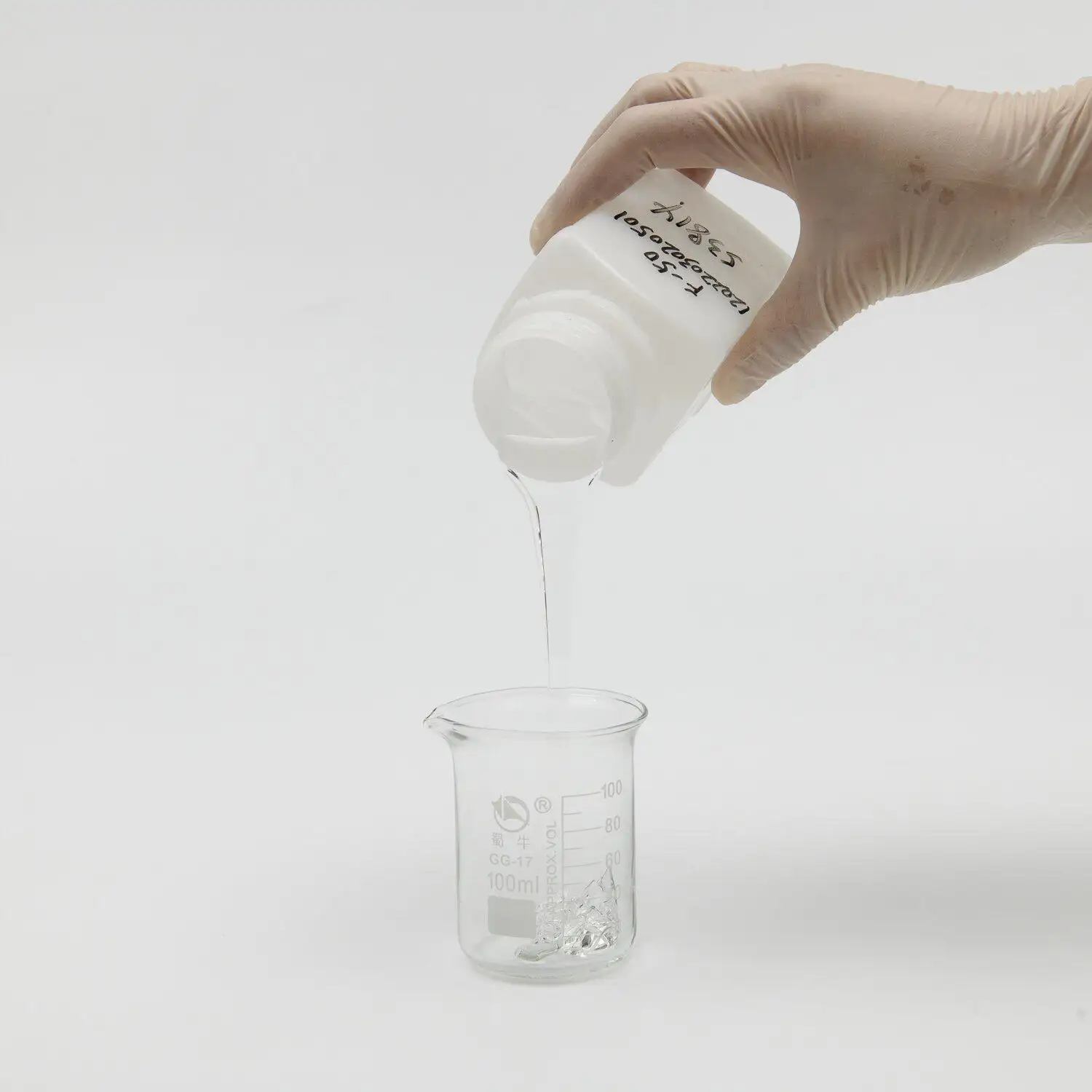
The inner structure of siloxane, silicone sealants that are made of alternating silicons and oxygens, is what gives it durability and is what endows it thermal stability and flexibility within the ranged of -50 °C to 200 °C. All bonds in siloxane structure are made of silicons and oxygens, and unlike carbon, oxygen bonds that are resistant to UV light are used in the structure. These bonds do not become brittle when exposed to UV light for decades. Silicon atoms bound to methyl group are used in the structure, and thus, the surface is hydrophobic and will repel water and not absorb moisture. Sealants as a whole are susceptible to water and thus undergo hydrolysis, the water caused bond scission. Silicone sealants are much more durable, and in independent accelerated weathering tests, silicone sealants outperformed all other sealants particularly polyurethanes. Of the sealants that undergo accelerated weathering tests, silicone sealants were the only sealant that retained over 90 \% original elasticity.
When comparing acid-cure and neutral-cure silicones, one must consider adhesion, potential for corrosion, and long-term bond strength.
The properties of the two systems are as follows:
Property | Acid-cure | Neutral-Cure Systems
Cure Speed | Faster (24-48 hours) | Slower (3-7 days)
Acid-cure systems offer rapid adhesion, and are great for glass, aluminum, and ceramic substrates, but do not offer adhesion for porous substrates. Acid-cure systems are also not suitable for use with metals, concrete, or embedded electronic components, as the release of acetic acid can cause long-term corrosion. Neutral-cure systems do not suffer from these issues, and are suitable for use in constructing all metal systems, facades, and in applications with high reliability requirements. Neutral-cure systems are slower to cure, but are better with porous substrates, and disparate materials. Data from exposed coastal construction shows that after 15 years neutral-cure systems are >95% as strong as the original bond strength and acid-cure systems are only 70% as strong. This also shows that the neutral-cure systems are more resistant to salt, humidity and movement.
Silicone Sealant and Weatherproofing: The Relationship of Longevity and Environmental Resilience
Waterproofing: The Result of Hydrophobic Molecular and Chemical Properties, Along with No Type of Damage from Hydrolysis and Freezethaw Cycling
Silicone's molecular and chemical structure is the reason for its hydrophobic and water resistant properties, meaning the effects from age, washing, or time will not occur. The repelling of water and moisture will occur indefinitely, and will even still work under immense water pressure or submersion. The bond of the siloxane molecular structure will not be broken by water and thus will not be the reason for silicone's loss of effectiveness. The breaking of a structure of a molecular bond will not occur and thus there is no loss of adhesion and cohesive integrity. The flexibility of the silicone structure will remain down to -50°C which will allow for the silicone to perform its duties to the fullest even with high levels of water and temperature changes. Field measurement of silicone in its harshest environment has shown that silicone can withstand 300+ thermal/inactive cycles a year without a loss of function or waterproofing.
Field Evidence of Product Longevity: UV Stability and Temperature Performance Data from 20+ Year Field Studies
Proof from more than 20 years of field studies substantiate silicones great longevity. Longitudinal studies of buildings sealed in the early 2000's show over 20 years of continuous UV exposure silicones joints hold over 90% of their original elasticity while comparable polyastomer installations show 40-60% degradation within 15 years. Thermal testing from -60\u00b0C to 200\u00b0C shows no embrittlement, softening, or adhesive delamination in sustained extremes. Therefore, silicones often outlast the materials being sealed. Documented installations in the coastal conditions of Florida and the desert conditions of Arizona, have had no replacement, of the sealant, needed after 30 years. This longevity shows not only material robust, but the chemistry, curing chemistry, and and environmental chemistry.
Frequently Asked Questions
What makes the silicone polymer backbone so durable?
The silicone polymer backbone has strong Si-O bonds which gives make the backbone very durable, there is great bond strength in the backbone. This makes silicone very thermally stable, very UV resistant, and add great water resistance.
What is the primary difference between acid-cure and neutral-cure silicone sealants?
An acid-cure silicone is not good with any materials that can corrode while neutral-cure silicones are good with any materials, acid-cure silicones excrete acetic acid while curing which makes them excellent with non-porous substrates but makes them incompatible with any substrate which could corrode. Neutral-cure silicones, during the curing process, excrete non-acidic materials which makes them good with substrates that are porous.
How does silicone withstand extreme weather conditions?
The extreme weather conditions are due to massive variation in temperature. The variation in temperature can be between -50C and and 200C, with great elasticity and silicone shows extreme weather resilience and is flexible at all of the the operating temperature. The molecular structure of silicone is lasting hydrophobic, UV and hydrolysis and is resistant to extreme weather conditions.
Why does silicone outlast other sealants such as polyurethane?
Silicone is Thermally stable and does not undergo chemical reactions due to extreme Heat and moisture or change in climatic conditions (including ozone). Silicones remain elastic and maintain their adhesive qualities for decades, while polyurethanes degrade and become useless in about 15 years.
Can silicone sealants withstand freeze-thaw cycles?
Yes, silicone sealants are flexible and maintains waterproofing through freeze-thaw cycles and can avoid cracking and joint failures.