EN
EN
 AR
AR
 FR
FR
 DE
DE
 IT
IT
 JA
JA
 KO
KO
 PT
PT
 RU
RU
 ES
ES


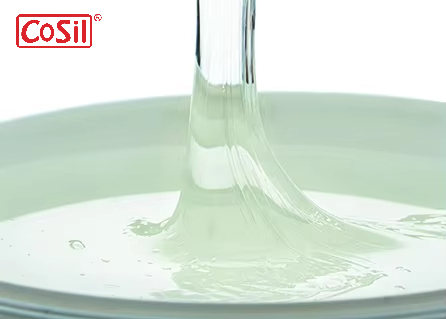
Unmatched Core PDMS Qualities for Industrial Use
Physicochemical Properties Alignment
Use of PDMS (Polydimethylsiloxane) in industry involves multiple factors. Formulations of low viscosity (up to 5,000 cP) offer 100% mold fill in the case of injection molding. HCR (high consistency rubber) formulations, which have a viscosity exceeding 500,000 Pa·s, are better suited for compression molding. With your formulation, the elongation capacity can range from 300% to 1,500%. This determines how resilient it is in a dynamic seal. Additionally, this defines how much load it can bear with the formulation, as the tensile strength can either be from 0.5 MPa to 11 MPa. Any of these properties combined can lead to the most severe failures. In fact, 68% of elastomeric component replacements can be attributed to failed mechanical specification alignment (Polymer Performance Journal 2023).
Quality Control: Material Stability and Inertness
PDMS can be utilized for automotive gaskets that seal the combustion chamber to the engine, where the temperature can range from -40°C to 230°C. PDMS silicone is better suited for injection molding. PDMS silicone components also have better mold release with a reduced chance of a surface defect by 40% or better. PDMS silicones also have poor swelling in the presence of fuels, acids, and most solvents. They have a much higher thermal and chemical stability (cured with platinum). Volatiles are also better suited in the pharmaceutical and food grade applications.
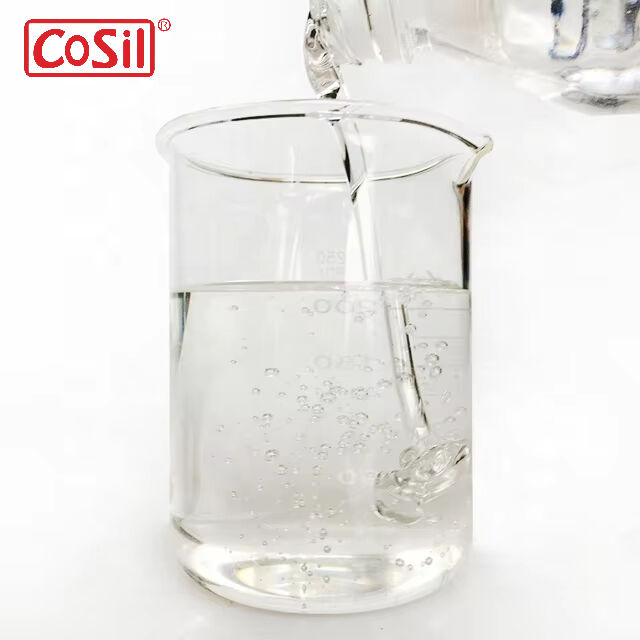
Choosing the Right Curing System: Platinum vs Tin Catalysts for Large Scale PDMS Production
Kinetic Control, By-Product Formation, and Batch Uniformity in Large Scale Curing
Catalysts chosen significantly affects PDMS scalability, performance, and consistency. Platinum catalyzed addition cure systems achieve >98% conversion with zero volatile by-products. This level of by-product free addition curing provides simultaneous control of crosslinking and post-cure gas bubbles which are serious impediments in the production of medical grade silicones. On the other hand, tin catalyzed condensation systems generate carboxylic acids which only worsen the over time peel back which occurs in the presence of humidity. Even though tin may have a lower starting price, platinum’s kinetic response offers a 73% reduction in variability of production batch size of continuous production systems. Top benefits are:
no volatile by-products, removing the need for degassing and accelerating throughput
timed cure speeds across varying geometries of molds
real-time viscosity monitoring and adjustment to prevent filler over time sedimentation
This level of stability and control is critical for high volume production of high reliability products.
Supplier Qualification and Traceability: Ensuring Reliable PDMS Sourcing
Evaluating TDS/SDS Completeness, Lot-Specific Certifications, and Analytical Transparency
Supplier qualification is built upon three aspects of documentation and verification. First, Technical Data Sheets (TDS) and Safety Data Sheets (SDS) must provide comprehensive and explicit details on physicochemical properties, handling, and compliance of the TDS and SDS with regulations such as ISO, USP and FDA. Incomplete documentation of these aspects shows a 37% higher probability of a quality deviation in polymer sourcing. Second, the approval of lot-specific certification of viscosities, purity, catalyst residue, and rheological behavior is essential to assure continuous production. Finally, analytical transparency, which include the test methods of the raw materials and the test methods of the validated third party labs of ISO/IEC 17025, as well the test methods of impurities, all of which ensure that a monomer can be traced to the final product. Application of this criterion allows an estimated 29% reduction in unplanned production downtimes and up to 29% higher confidence of quality assurance before the start of production.
Processing Integrity: Maintaining PDMS Purity and Performance in Manufacturing
Degassing, Mixing Accuracy, and By-Product Management in Continuous Production Lines
In order to consistently produce PDMS in large volume, it is essential to be rigorous in degassing, mixing and controlling by-product formation and disposal. In selective catalytic reactions a minor deviation in the correct 1:1 mixing of the two components may even trigger the premature gelation reaction, of which a large portion of batch rejections can be attributed to. Engaging and active degassing in a continuous line of production is also necessary to ensure the effective disposal of the unreacted monomers and residual solvent. Concentration of these unreacted monomers and residual solvent even greater than 50 ppm will result in thermal stability being negatively impacted by greater than 15% as shown in industry bench testing.
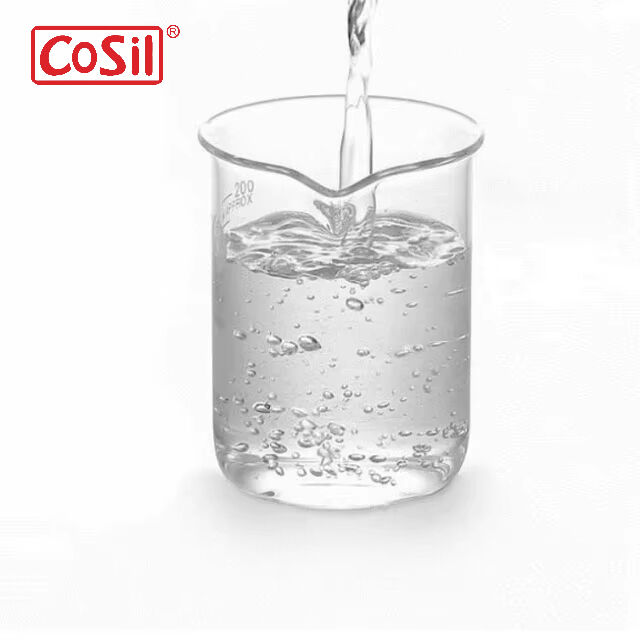
Line viscometers and advanced membrane degassers represent some of the newest quality features that have evolved in order to allow automatic adjustment of shear rates within the ±2% accuracy band and removal of volatiles prior to molding, respectively. For tin-cured systems, closed-loop reactors that integrate catalytic converters to neutralize acids that are by-products of the reaction, control the corrosion of equipment and the reliability of the production line over long durations. This feature of integrated process control decreases the scrap rates by 40% in the production of medical devices, and at the same time, results in lawful compliance with the ISO 10993 requirements for biocompatibility and the purity of the devices.
Frequently Asked Questions (FAQs)
What are the selection criteria for PDMS materials?
Some of the parameters one has to consider when selecting PDMS materials, include, the curvature of the module, the speed of the reaction, the hardness, the elongation, the stability, the inactivity of the chemical, and the capacitance.
What are the benefits of using systems based on platinum catalysts over systems based on tin catalysts?
Compared to tin catalysts, systems based on platinum catalysts are more reliable and allow for more controlled processes because they do not generate volatiles and they react with the same speed.
How does a supplier's qualification improve PDMS?
Supplier qualification results in a better qualified PDMS because it in part controls the thorough preparation of TDS/SDS, consistency across batches, and the openness of the supplier in sharing the results of their testing and their evaluations of contaminants.
What is the purpose of degassing in PDMS?
PDMS needs to be degassed for the electrical and structural integrity of the polymer because of the presence of bubbles in the PDMS which reduce the dielectric strength. This is especially critical in PDMS systems that are based on medical and electronic technology.