EN
EN
 AR
AR
 FR
FR
 DE
DE
 IT
IT
 JA
JA
 KO
KO
 PT
PT
 RU
RU
 ES
ES
Mechanisms: The Role of Silicone Emulsion in Increasing Hydrophobicity and Vapor Permeability
Silicone Networks and Surface Hydrophobicity Improvement
Silicone emulsion improves the durability of coatings by generating supple, entangled, cross-linked silicone networks at the material–air interface. These networks arrange the methyl groups (–CH₃) of the silicone chains to the outside, thereby reducing the surface energy and allowing water to form droplets instead of spreading. It is also important to note that vapor's escape is facilitated by the tiny openings on the surface, resulting in no hindrance to water escaping through the silicone film. This also prevents water from being trapped behind the film, accomplishing very effective water resistance.
Reduction of Surface Tension and the Increase of Water Contact Angle Caused by PDMS
Chains of Polydimethylsiloxane (PDMS) in the emulsion lower the surface tension to 20–22 mN/m, and increase the water contact angles to over 110°, thereby forming very strong non-wetting surfaces. Because of their flexible Si–O–Si backbones, PDMS chains migrate preferentially to interfaces during film formation—self-segregating to the surface where they deliver maximum hydrophobic effect. This dynamic surface enrichment occurs without occluding pores, preserving vapor permeability essential for architectural performance.
Durability Under Environmental Stress: UV, Thermal And Alkaline Resistance
Using the inherent durability of the siloxane chain, silicone emulsion increases the durability of coatings against environmental degradation, including UV radiation, thermal cycling, and alkaline attacks. These types of deterioration are very much more easily dealt with using silicone emulsion than with conventional organic binders.
Protection of Acrylic Clearcoats Against UV Degradation and Oxidation
The silicone network absorbs UV radiation and stabilizes free radicals formed during photo-oxidation, drastically reducing the photo-oxidative degradation of the acrylic binder. The dissociation energy of the Si–O bond (~452 kJ/mol) is much greater than that of a C–C bond (~347 kJ/mol), which means that the silicone network retains its structural integrity under the prolonged exposure to sunlight. This loss of integrity is caused by yellowing, chalking and loss of gloss, which are purposely slowed by the silicone network. Because the silicone network is immiscible, it segregates itself to the surface of the clear coat. This provides a continuous and uniform shield even under minor mechanical wear.
Stability of Si–O–Si Bonds Under Alkaline and Thermal Stress
The Si–O–Si backbone is stable under high pH conditions of fresh concrete, unlike organic polymers which are prone to saponification and alkaline chain scission. The Si-O-Si backbone provides long-term adhesion and film integrity on a reactive substrate. The flexibility of siloxane chains under thermal cycling accommodates expansion and contraction of the substrate, and minimizes internal stress during thermal cycling. This leads to the prevention of microcracking at the interface between the coating and substrate. When applied on concrete, silicone-modified coatings control the rate of water-vapor transmission, thereby lessening the chance of blistering or separation of the coating due to trapped moisture. This combined resilience balances well for challenging infrastructure and industrial uses.
Real-World Performance: Silicone Emulsion in Waterborne Architectural Coatings
Adhesion Retention and Pull-Off Strength in ASTM D7234 Testing
Silicone-modified waterborne coatings retain their adhesion under real-world stress conditions. Formulations of waterborne silicone coatings exhibit a pull-off strength of 80% of the original adhesion after the accelerated weathering test, described in ASTM D7234, which assesses the integrity of the bond between a coating and a substrate. By repelling liquid water and allowing water vapor to diffuse, they reduce moisture-induced delamination, which is a primary contributor to premature failure of coatings. Research works describe a service life of these coatings that is three times greater than their unmodified waterborne counterparts, and as a result, the frequency of maintenance work on the coatings and the cost associated with the maintenance of the coatings is significantly reduced.
Balancing Hydrophobicity and Breathability: Resolving the Silicone Emulsion Trade-Off
The ability to achieve liquid-water repellency and vapor permeability has been a challenge in formulations. Silicone emulsions solve this problem with surface engineering based on PDMS: silicone chains will move to the air, per the surface, thereby reducing the water contact angle to greater than 110° and blocking water. Design of silicone surface will retain the empty space at the micro or nano scale, ensuring water vapor can pass through the coatings at a rate of greater than 1500 g/m²/day, as per the test in ASTM E96. Simultaneously, coatings can be very d'urable. For this reason, Silicone emulsions are crucial in the formulation of coatings of high performance.
FAQ Section
What is silicone emulsion, and how does it work?
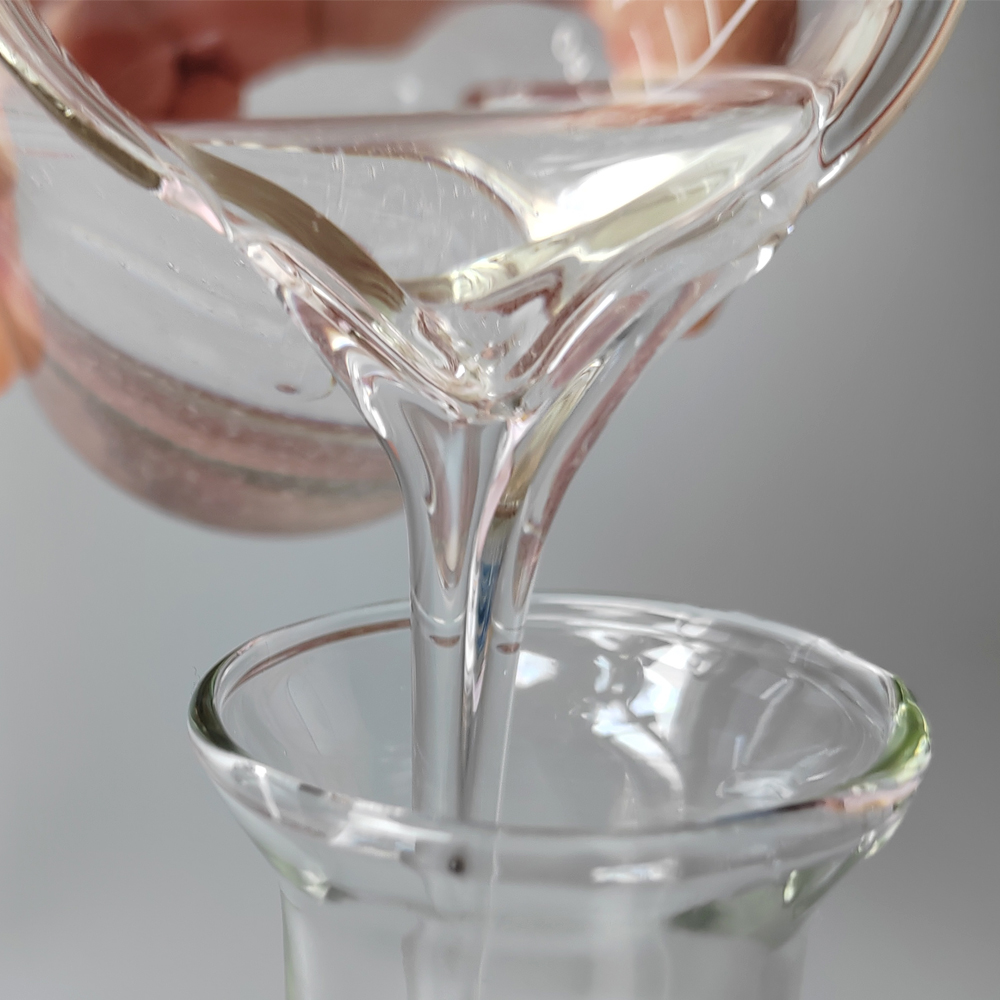
Silicone emulsion is a formulation of silicone polmers, such as polydimethylsiloxane (PDMS). With this formulation systems, at surface level, liquid-water repellency will be enhanced along with flexibility, and moisture vapor permeability will be facilitated.
What are the benefits of silicone emulsions for increasing hydrophobicity?
Silicone emulsions create non-wetting surfaces by increasing contact angles to above 110 degrees, along with lowering surface tension and preventing the material from absorbing water.
What about silicone emulsions gives coatings resistance to environmental stress?
Silicone emulsions strengthen coatings and enhance their resistance to UV irradiation, thermal cycling, and alkaline environments.
How do silicone-modified coatings preserve vapor permeability?
Because of their flexible long and self-segregating nature, PDMS chains maintain pathways within the coating that are large enough for vapor water to pass but smaller than liquid water.