EN
EN
 AR
AR
 FR
FR
 DE
DE
 IT
IT
 JA
JA
 KO
KO
 PT
PT
 RU
RU
 ES
ES
What is Silicone Emulsion? Core Chemistry and Key Performance Attributes
Emulsions & How Siloxane Polymers Break Up in Water
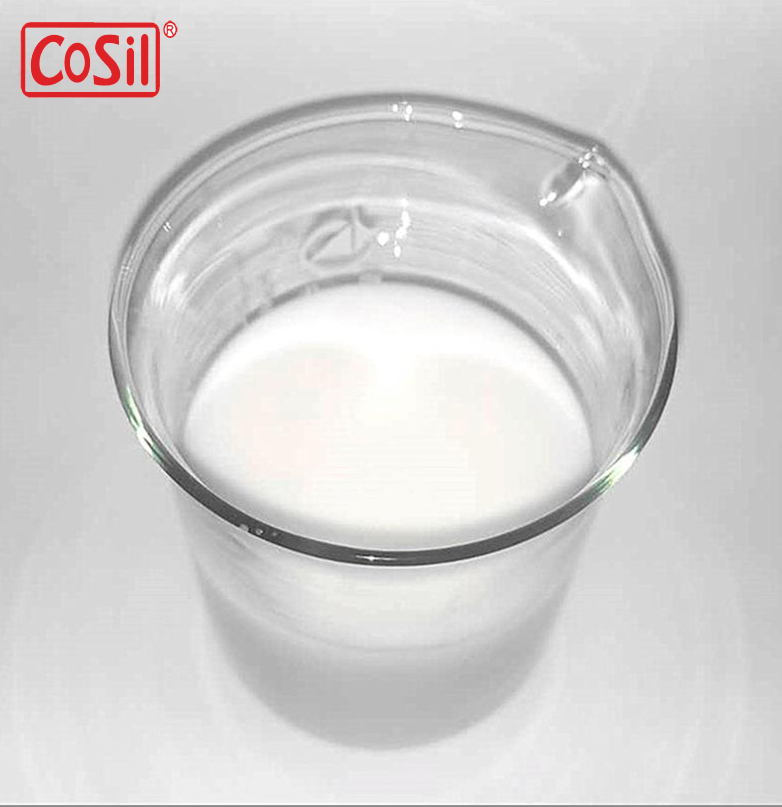
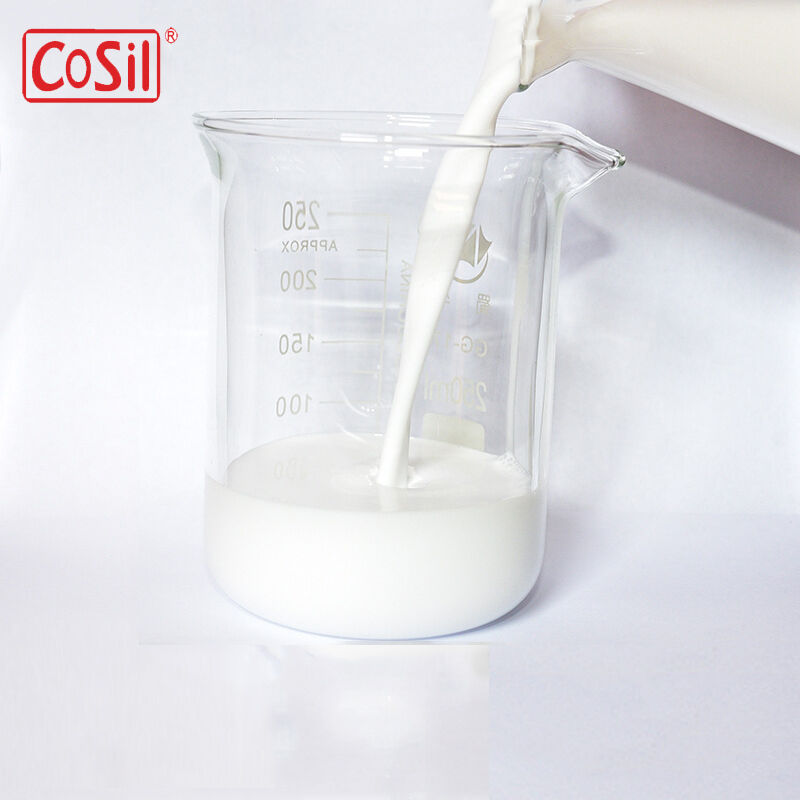
Silicone emulsion is a stabilized siloxane polymer oil-in-water dispersion made via surfactants and high-shear mechanical methods. The siloxane droplets, typically between 0.1 and 5 micrometers, are evenly distributed and suspended without coalescing, making it easier to handle, dilute, and apply. Centrally, the flexible, inorganic Si–O–Si chain gives siloxane emulsion thermal and chemical stability, as well as low surface energy. The reactivity, compatibility, and performance of siloxane are tuned using the organic chains attached to the siloxane backbone. When siloxane is used on substrates such as textiles, metals, or paper, the water evaporates and leaves behind a continuous layer of siloxane. This structure allows optimal control of coating thickness and adhesion, and offers silicone's strong chemistry with the efficiency of water-soluble processes.
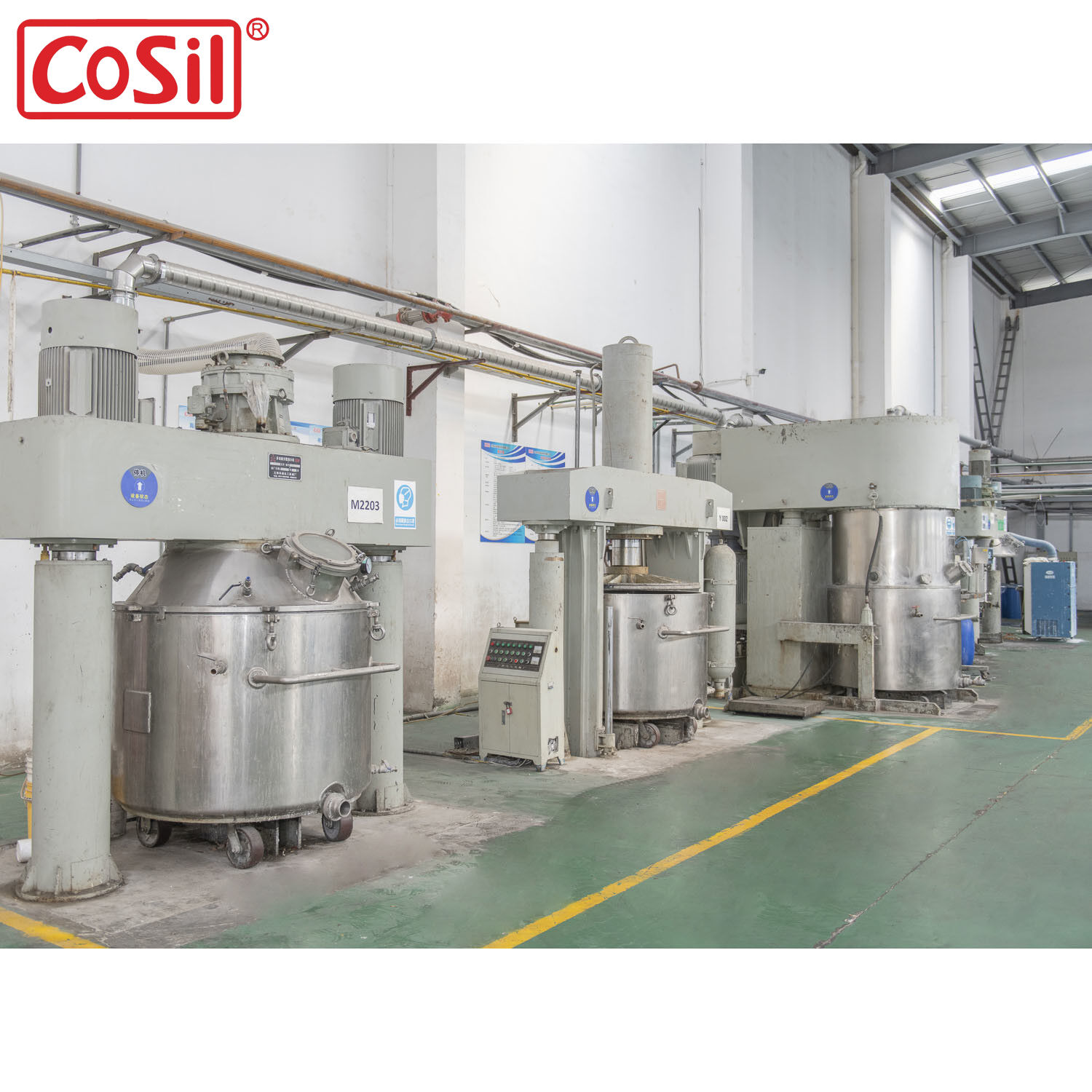
Key Technical Parameters: Particle size, stability, viscosity, and dry extract content
The performance and application of silicone emulsion are dependent on four interacting parameters:
Particle size: Particles smaller than 1 micrometers improve penetration into porous substrates, such as cotton fibers, and produce smoother and more even films. In other applications, such as molding, larger particles can improve film build and improve release.
Stability: This is typically measured by the tendency of an emulsion to cream, sediment, or undergo phase separation under shear, elevated temperature (up to 60 degree Celsius), or pH shifts (pH 4-10). An industrial-grade silicone emulsion should have a stability of >6 months for long-term storage.
Viscosity: The normal range for silicone emulsion viscosity is between 50 and 5,000 cP. This range affects the ease of pumping, spraying, and how well the silicone emulsion defies gravity after application. Low viscosity grades are preferred for inline dosing systems. Conversely, higher viscosity grades are more preferred for vertical application.
Dry extract content refers to the non-volatile silicone solids, which tend to be in the range of 25% to 70% w/w. Since coating density is closely linked to the amount of dry extract in a formulation, a higher dry extract content does improve cost-effectiveness and coating density per unit volume. However, it negatively impacts formulation stability, which may require a careful design of surfactant and polymer systems.
When designing silicone based formulations, the formulation stability and desired performance from the formulation tends to dictate the design element of the molecular weight and the type of the siloxane, functional group, surfactant, and degree of surfactant dispersion. For instance, in the textile industry, softeners prefer a dispersion of siloxane with a 30 to 40% w/w dry extract so that the softener can penetrate the fibers and optimize softening and washfastness particles. In contrast, high temperature silicone based molding release agents prefer a 60% w/w dry extract, a high degree of stability at high shear, and phenyl siloxane polymers so that the release agent has a high degree of thermal stability.
Silicone Emulsion in Textile Processing: Softening, Water Repellency, and Static Control
There are three synergistic benefits that silicone emulsions provide to textile finishing: softness and drape, long-lasting water repellency, and water dissipation. The low surface tension of silicones allows them to easily cover the surface of the fibers (even hydrophilic fibers). They balance the contact of fibers through a flexible, crosslinkable film that increases the lubrication of contact surfaces. This is useful during the finishing of textiles and greatly increases the perceived quality of the material, which is particularly important in clothing and home textiles. Silics also create a microstructured surface that allows for the “lotus effect”. This includes water beading on the fabric and a breathability of the fabric yet retaining >90% water repellency after 50 industrial launderings, significantly outperforming paraffin- and fluorocarbon-based finishing agents. For static control, Silicone's inherent polarity control easily decreases surface resistivity, preventing charge building up during high speed cutting, moving, or packing. Different application methods (exhaust, padding, spray) allow for a degree of control in application on various types of fibers (natural, synthetic and blends) and also offer a functional group of silicones that have a high affinity
Silicone Emulsion as a High-Performance Industrial Release and Lubrication Agent
Silicone emulsions are effective, high-temperature release and lubrication agents across rubber, plastic, composite, and die-cast manufacturing processes. After application and drying, silicone emulsions produce a stable, low-adhesion coating on mold surfaces that can withstand continuous service up to 300°C. In many production processes, especially those involving silicone rubber vulcanization and thermoset composite curing, the continuous service temperature of silicone emulsions is much higher than that of lubricant emulsions derived from petroleum and fatty acids. Where silicone emulsions are used as release agents, the lubricity of silicone emulsions helps reduce wear. Silicone emulsions also lower interfacial friction, which reduces wear between moving parts, such as conveyor belts or rollers. Because silicone emulsions are chemically inert, they are compatible with all types of resins, acids, and solvents, so it is not necessary to develop a different formulation for each substrate. Silicone emulsions typically only require a single coat for support of 10-20 processes, which reduces labor and downtime, as compared to solvent-based release agent sprays. The combination of all these properties makes silicone emulsions the benchmark release agent for high-demand manufacturing.
Functional Emulsion Additives for Coatings, Paper, and Packaging
Silicone emulsions are multifunctional additives used in architectural and industrial coating to improve weathering, water beading, and anti-microbial properties. They can reduce water absorption by 40% and, according to ASTM D3273, can prevent the growth of mold and mildew in humid conditions. They can also prevent surface cracking due to UV light. This can extend the service life by 2-3 times when compared to similar systems that use acrylic or alkyd coatings. In the paper industry, silicone emulsions are used to make release coatings for pressure sensitive labels, release liners, and food grade parchment paper. This can improve the peel and reduce adhesive residue. As barrier modifiers, silicone emulsions increase the grease and moisture resistance for food packaging, and do not affect printability or compostability, as certified to ISO 17088 and EN 13432. When used on corrugated and flexible packaging, silicone emulsions can improve packaging endurance during shipping and can reduce product damage and returns. Advanced formulations of anionic and nonionic silicone emulsions are made to meet the strictest VOC regulations. They can also replace older low ecotoxicity protection chemistries, while delivering highly functional and high-performance products.
FAQ
What is a silicone emulsion?
A silicone emulsion is a stable oil-in-water dispersion of siloxane polymer. Usually, it consists of droplets of silicone that are 0.1 to 5µm in diameter that have been supported by surfactants and high sheer mechanical processing.
What are the key technical parameters for silicone emulsions?
Some of the key parameters that affect silicone emulsion quality are particle size, stability, viscosity, and dry extract content. These parameters all affect the application of silicone emulsions.
What are some of the practical applications of silicone emulsions for the textile industry?
Silicone emulsions lend lasting, highly water-repellent softness, and remove electrostatic charges. They also create thin, durable coverings that protect and improve the performance of fabrics.
What is the true nature of the benefits of silicone emulsions in industrial applications?
Since silicone emulsions help create low-friction, highly heat-resistant films, they consistently release parts and provide lubrication while protecting machinery.
Can silicone emulsions be used in coatings and packaging systems?
Silicone emulsions make coatings more weatherproof, packaging and paper more resistant to moisture and grease, and meet sustainable development goals.