EN
EN
 AR
AR
 FR
FR
 DE
DE
 IT
IT
 JA
JA
 KO
KO
 PT
PT
 RU
RU
 ES
ES
Understanding Silicone Sealants: Chemistry, Types, and Important Performance Properties
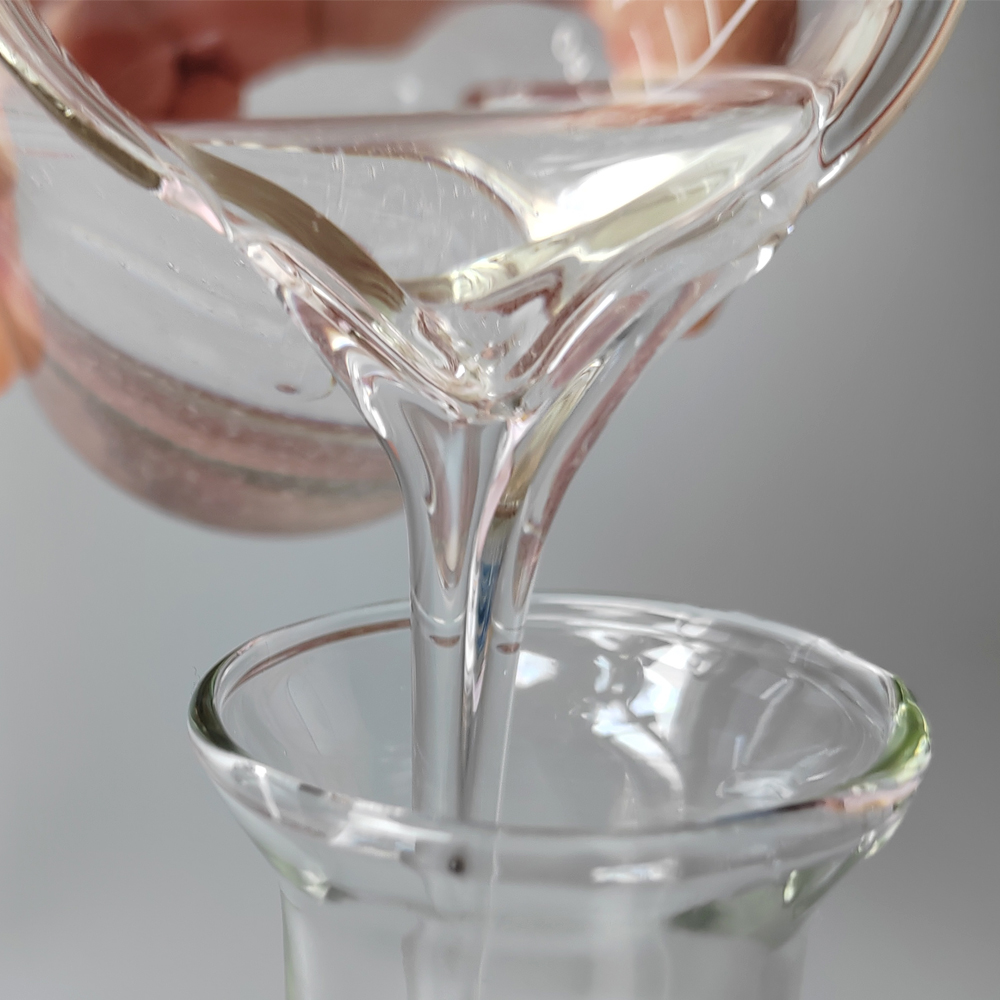
Silicone Sealant is a Polymer-based adhesive that have a most flexible, most thermally stable and most Euro resilient composite structure due to the silicon-oxygen backbone with organic side groups. It is one of the few materials that provide reliable performance in extreme temperature conditions and takes high degrees of industrial and outdoor UV radiation and moisture, fresh and salt water, and high demanding outdoor and industrial UV and moisture conditions.
Key performance aspects consist of:
Elastic Recovery: (ASTM C736) 95-99% removal deformation.
Movement Accommodation: Loss of cohesion or adhesion of joint movement of ±25-50%
Chemical Resistance: Water, ozone, mild acids/alkalis are no problem.
Long-Term Adhesion: Bonding to glass, metals, and many plastics (20+ years in exterior applications)
Sealant formulas for neutral and acetoxy are very different. Acetoxy releases acetic acid during curing, creating a fast setting time. However, it can corrode existing copper, zinc, and even concrete. Because of this, many contractors do not place them where those materials are. On the positive side, neutral cures tend to be more expensive and take longer to set. On the negative side, they are not corrosive to painted surfaces, stone, or plastics. Each of these options has negative and positive aspects and for contractors it is highly dependent on the materials to be sealed and the conditions the sealant will be under.
Choosing Silicone Sealant For Your Needs
Acetoxy versus Neutral Cure
Acetoxy Cure Silicones are fast, efficient, and economical solutions for bonding glass and ceramic surfaces, but they have limitations. For example, silicones that use acetoxy curing methods can’t be used near cement, and, because they use corrosive acids, can’t be used near easily corroding metals like copper and galvanized steel. This is where neutral-cure silicones shine. Neutral-cure silicones are safer options that can be used on a much broader array of surfaces including a large range of plastics, and metal coatings (even natural stones). However, neutral cure silicones tend to be much more expensive and have longer curing times. Many professional contractors will use neutral-cure silicones due to the safety concerns, and they typically perform better in critical applications, such as, hospital construction and other build joints where failure is not a viable option.
Industry-Specific Terms and ASTM C920
Elastomeric joint sealants in architectural and structural glazing must meet ASTM C920 standards, which include movement capability (±25-50%), resistance to UV and weather, and no adhesion loss after accelerated aging. Performance specifications, in addition to other certifications, are needed for critical environments: In food processing, incidental food contact requires NSF/ANSI 51 certification In healthcare, interiors must have ASTM G21 mold resistance In transportation, infrastructure must have AASHTO M198 for chemical resistance
Manufacturers’ test data must contain a performance section for compliance, and must be compared with project specifications to ensure compliance, not only within data sheets.
Surface Preparation for Adhesion and its Application
Lasting adhesion is achieved through committed preparation on the surfaces to be joined, ensuring no contaminants, as adhesion loss can be as much as 70% (High Performance Coatings Council, 2023). The most common cause of premature failure is a lack of preparation.
Cleaning, Priming, and Joint Design Basics
To begin, perform some mechanical cleaning to remove any loose particles from the surface. After that, wipe down the substrates with Isopropyl alcohol or some other approved solvent. Make sure everything is completely dry before proceeding. When it comes to priming materials like newly anodized aluminum, PVC, or powder-coated steel, it is very important. These surfaces bond poorly on their own so priming is necessary to make the molecules stick. We want to make sure any sealant failures occur within the sealant and not at the interface to the substrate. By the way, joints should ideally stick to that classic 2 to 1 ratio in terms of width and depth. That way, the sealant can accommodate expansion from temperature changes without getting overstressed with movement.
Common Pitfalls: Tooling and Curing Conditions
Once you apply sealant, you need to tool the bead immediately and concave shape it. This helps push the sealant down to ensure full contact on both sides of the surfaces. This step also removes some of the air bubbles that are formed during the application process. For optimal results, allow the sealant to cure for long periods of time at specific temperatures. Setting and curing of the sealant can be slowed down if temperatures are too cold (below 40 degrees Fahrenheit; 5 degrees Celsius) and too hot (above 100 degrees Fahrenheit; 38 degrees Celsius) and can change the sealant’s performance. If it is too hot, the surface will “skin” over before the rest of the sealant is cured, causing weak spots. These are all common mistakes, but they are important to be aware of.
Sealant failure due to the application of beads over 1/2 inch, which seals the moisture and prevents deep curing.
Exposing newly applied sealant to stress or water before it fully cures (this may take 7-21 days, due to thickness and the surrounding conditions)
Notching, Temperature and Humidity Control: Troubleshooting silicone sealant failure and the prolonged service life of sealants
Exposing sealants to direct sunlight and high humidity.
Identifying the causes of cracks, discoloration, and the loss of adhesion
In most cases, sealants are either [justifiably or unjustifiably ] subjected to stress, or
the sealant hasn't been given sufficient time to cure. Discoloration may occur as a result of UV exposure, as many products are not UV-stabilized. Alternatively, some sealants may undergo a chemical reaction in the presence of nitrogen oxides or sulfur compounds, which are common in the air. A 2022 study in the Facade Engineering Journal states that 43% of adhesive failures are due to poor adhesion. These failures are mainly caused
by three factors:
- Insufficient surface preparation (presence of oil, moisture, or dust)
- Application of sealants outside of the specified temperature and humidity range
Substrates—specifically plasticizers in PVC, coatings, or aging sealant systems—remain unauthenticated across project stakeholders.
Technologies of Maintenance and Guidelines on Replacement Timing
For lengthy systems, conduct proactive inspections on a semi-annual basis. Look for changes in elasticity (take a pinch test and see if it rebounds), cracks (more than 3 mm), and edge lifting at the substrate interface. Do not wait for a complete joint failure. Replace systems that show signs of sloughing, mold, loss of elasticity, or loss of adhesion. To increase the sealant service life, the following recommendations and strategies should be adopted for the above features.
To seal the above surfaces, use neutral-cure sealants, as other sealants will cause internal damage (sealants that use acetic acid will initiate internal damage).
For the above features, the following intervals should be adopted as a maximum for the replacement of outdoor sealants in temperate zones of 8-12 years and in zones of high UV or coastal areas of 5-7 years.
For the above features, increase the intervals of inspections as a maximum for areas of external weathering above 30°C in a day.
For the above features, ensure to always check the chemistry of the new sealants in relation to the existing ones before applying the sealant to avoid creating internal layers and leaving the surfaces blank.
Section on Frequently Asked Questions
Question. What are the main groups of silicone sealants?
Answer. Silicone sealants are divided into 2 groups namely, an acetoxy group, and a neutral group. Acetoxy sealants will initiate corrosion in an area because, while curing, they will release acetic acid. Neutral sealants do not corrode areas as they are covered by a skin of either an alcohol or a ketone.
Q: How to achieve compliance with industry guidance when using silicone sealants?
A: For compliance with performance criteria, refer to ASTM C920, while for use in food processing industry, you may also consult NSF/ANSI 51, for healthcare, consult ASTM G21, and for transport, consult AASHTO M198.
Q: Why is surface preparation important prior to using silicone sealants?
A: Adhesion of sealants is highly dependent, and affected, by surface preparation. Any foreign substances will compromise adhesion, which is why cleaning and priming surfaces is important.
Q: How often should sealant joints be inspected, and when should they be replaced?
A: Consider replacing sealants after 8–12 years in temperate zones, and after 5–7 years in coastal zones or zones receiving high amounts of UV radiation. Regular inspections (6-month intervals) will help identify early signs of deterioration.