EN
EN
 AR
AR
 FR
FR
 DE
DE
 IT
IT
 JA
JA
 KO
KO
 PT
PT
 RU
RU
 ES
ES
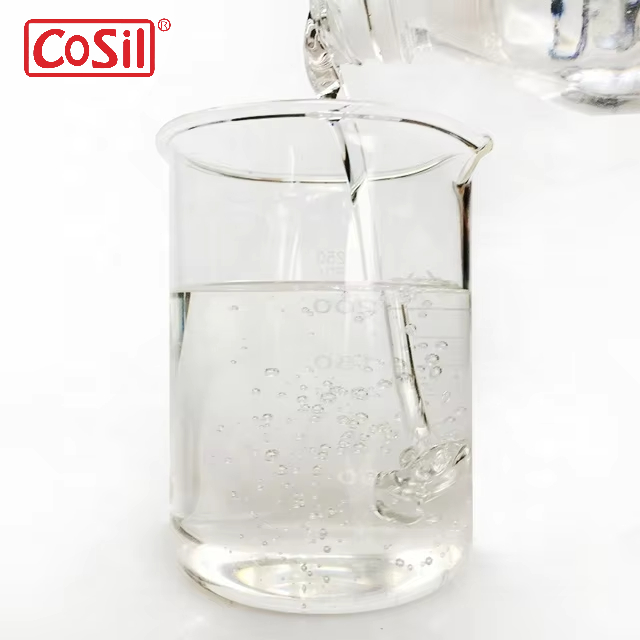
Complete substrate coverage and low surface tension and uniform formation of PDMS films
Silicone oil of high purity has surface tension of approximately 20-21 mN/m, and leads to excellent adhesion of surfaces. This quality allows silicone oil to effortlessly and evenly spread across surfaces of metals, plastics, and composites. Thus, PDMS films of less than 10 micrometers thickness are formed, eliminating the tiny air pockets, and, in turn, the associated problems. This is important because, in terms of peel strength, covering less than 5% of a surface is enough to decrease the peel strength by 60% or more. Non-pure silicone products are known to separate when heated, but pure silicone products are consistent throughout the curing, which provides consistent film thickness and improved tightness and pressure control at sealed joints. Most importantly, such products transform a rough and uneven surface into a strongly bonded and reliable structure.
Case Study: Controlling Delamination in Automotive Gasket Adhesives by Controlled Migration of Silicone Oil
An automotive parts manufacturer resolved an ongoing issue with the separation of engine gaskets in its products by changing silicone oils. The manufacturer’s previous silicone oil additive was an industrial grade polymer containing the volatile cyclic siloxanes D4, D5, and D6. These siloxanes are able to migrate when the material is subjected to heat cycles and accumulate at the interfaces of metal and composite materials. In a previous test, there was an 80% adhesion loss after 500 hours at 150 degree Celsius. After the manufacturer switched to a silicone oil with a higher degree of purity, the siloxane migration was reduced by 94% while maintaining sufficient material flexibility. Field tests conducted on 50,000 vehicles showed no gasket failures in 3 years of operation. This demonstrates the importance of removing impurities from silicone oil to alter the behavior of materials under stress, especially for automotive gaskets, which are subjected to extreme conditions inside an engine.
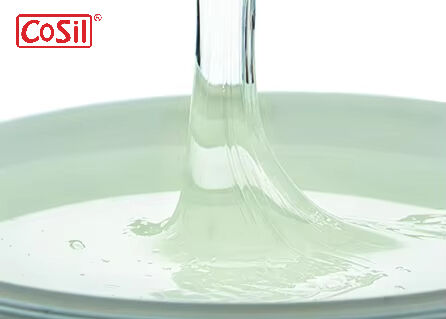
The Possible Contamination Risk With Low Purity Silicone Oil in Multi-Material Sealing Systems
The effect of volatile cyclic siloxanes (D4-D6) on primer adhesion and cure kinetics
The low-purity silicone oil in these systems likely contains volatile cyclic siloxanes,( text{D4} ), ( text{D5} ), and ( text{D6} ), During curing, these substances migrate to the adhesive/primer interface and extract (push out) some of the important functional groups that are responsible for chemical bonding, and can reduce the bond strength up to 40% on multi-material bonds. Regarding epoxy systems, leftover D4-D6 materials inhibit crosslinking (interactions), which significantly prolong the cure time by 25-30 minutes on a D4-D6 contaminated epoxy. This is highly detrimental in sealing applications such as aerospace fuel tanks, where seals must not be compromised.
Silicone oil from different manufacturers is not interchangeable in formulations because the level of compatibility or level of contamination significantly influence the performance of silicone oil in different formulations. The presence of tin catalyst residue, for example, can break down some polyurethane adhesives. Silane primers break down at the interfaces when the levels of cyclic impurities are less than 0.5%. High purity silicone oils are especially necessary for the following reasons: High purity silicone oils do not allow fish eye defects when potting, do not allow the migration of plasticizers in PVC gaskets, and allow UV resistance in solar panel sealants. Anyone working with formulations should be aware of the molecular weight distribution and the functional group or cyclic siloxane impurities. The more control the better, as it is the less expensive solution in the long run to avoid expensive failures when products are released.
High Purity Silicone Oil Performance and it’s Purification Processes
The removal of reactive impurities and molecular distillation to fully remove cyclics and catalyst residue
Silicone oil used in industrial sealing adhesives must be, for all practical purposes, free of impurities. This is due to the fact that small impurities can lead to failures during material interface bonding. While bonding, the molecular distillation process removes the troublesome D4, D5, and D6 cyclic siloxanes that can negatively impact bonding strength and create bubbles. While this is taking place, other special chemical treatments are used to remove leftover platinum catalyst residues from the manufacturing process. These catalyst residues can cause breakdowns of the adhesive after an extensive number of heating and cooling cycles, known as thermal cycling. By utilizing both methods of purification, manufacturers are able to achieve a number of significant and beneficial results: the oil achieves a degree of viscosity uniformity throughout the entire production run, the removal of any contaminants, and maintaining the ability to create solid, continuous, protective films to the surface. The advantage of all this is that high-purity silicone oil retains its good surface adhesion over an extended period of time, even when exposed to aggressive chemicals and solvents, and retains its surface adhesion upon thermal cycling.
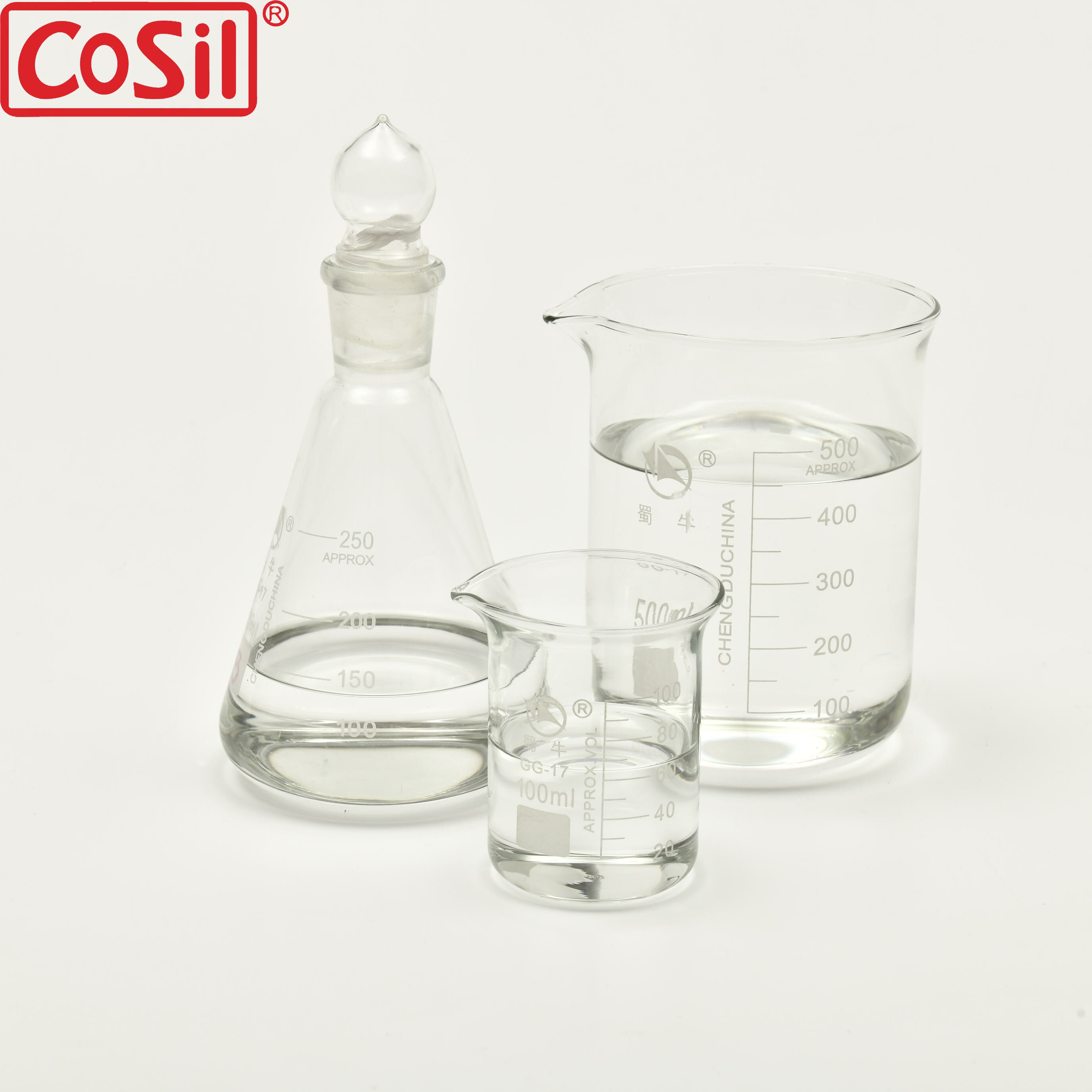
Key purification outcomes include the following: 1. Decreased cyclic siloxanes. <50 ppm cyclic siloxane levels prevent plasticizer migration and interfacial contamination. 2. No catalyst residues. Neutralized platinums do not crosslink/ degrade primers. 3. Thermal stability. Distilled fractions keep viscosity stable above 150 ºC. This ensures high performance and stability during high heat sealing. The long-term environmental resistance of high-purity silicone oil and industrial sealing adhesives, which include, silicone oil, and industrial sealing adhesives last much longer because they resist the factors that break down inferior versions. The stable oil molecules prevent breakage of the chains due from UV damage, prevent ozone cracking, and protect from chemical wear and tear. This is especially important for sealants used in chemical plants and outdoor building where long-term performance is critical. Pure silicone oil, that is free from siloxane D4-D6 and catalysts, is especially critical because those siloxanes and catalysts soften the silicone. Contaminated oils cause swelling, water damage, and breakdowns and moisture-related problems. The oil repels water, keeping out moisture even in areas of constant humidity.
Real world tests show cheaper alternatives start falling apart about 40% quicker than high quality alternatives do when tested with both heat and sun. This is why manufacturers that want their products to last for decades and not need replacement keep developing advanced molecular structures for their sealants.
FAQs
What is high-purity silicone oil? High-purity silicone oil is when formulations have been purified several times to remove cyclic siloxanes and other impurities, increasing their performance and adhesion.
Why is silicone oil purity important? Purity is important because it ensures strong interfacial adhesion with minimal contamination, which is crucial for automotive gaskets and industrial sealants.
How does silicone oil affect adhesion? High-purity silicone oil enhances adhesion because it flows uniformly on a surface and reduces loss of peel strength due to incomplete coverage of the substrate.
What is molecular distillation in silicone oil production? Molecular distillation is a separation technique that partitions PDMS chains in silicone oil according to their volatility, thereby eliminating cyclic siloxanes and other impurities.