EN
EN
 AR
AR
 FR
FR
 DE
DE
 IT
IT
 JA
JA
 KO
KO
 PT
PT
 RU
RU
 ES
ES


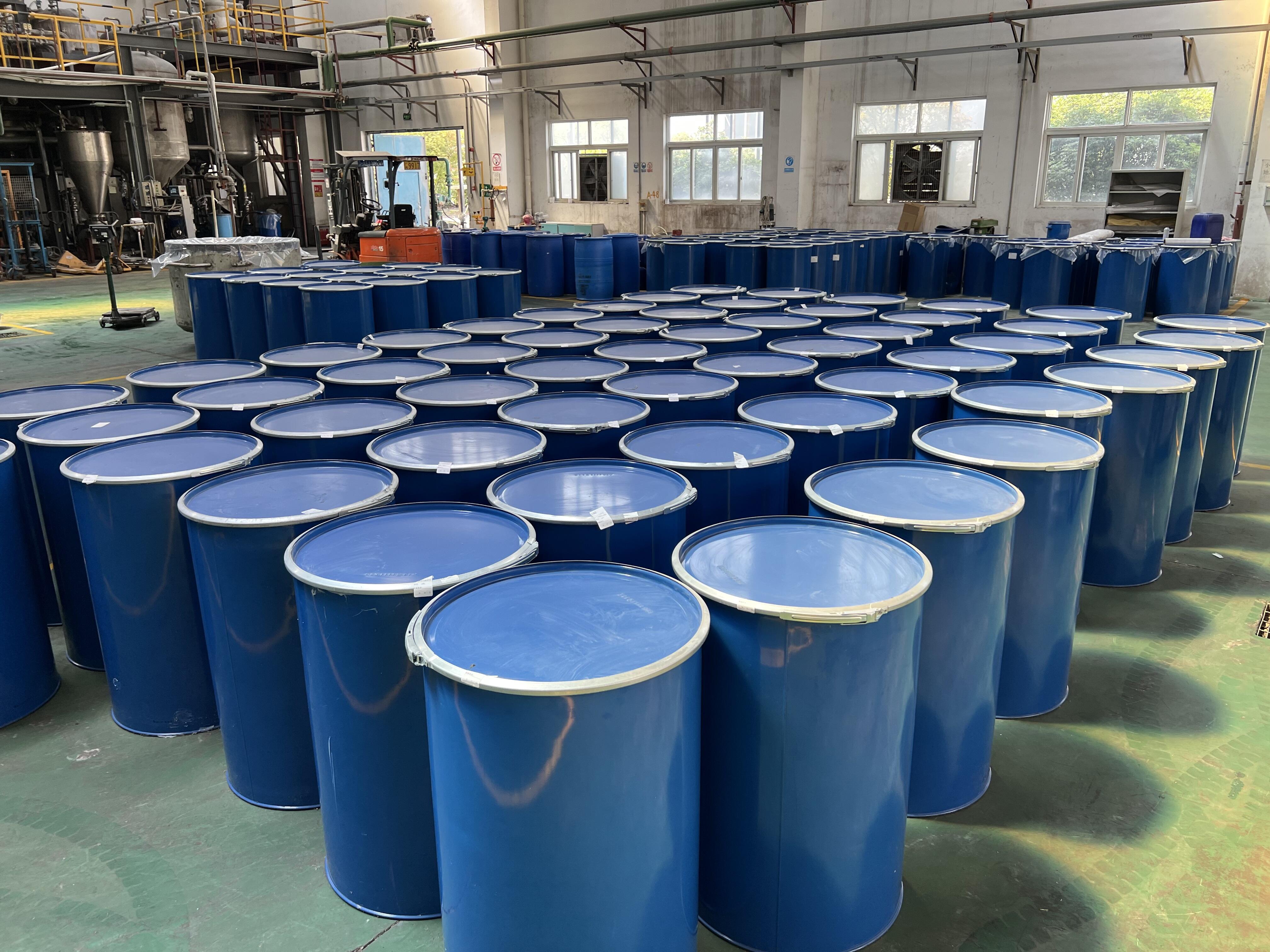
Many mold manufacturers encounter frequent problems including part surface tearing, residual silicone contamination, inconsistent gloss and frequent mold sticking. Most failures do not come from poor raw material quality, but from improper selection of PDMS viscosity.
Polydimethylsiloxane release agent forms an isolation film on the mold surface. The viscosity of PDMS directly decides the uniformity of the coating, thermal stability, wetting effect and service life of the release layer. Low viscosity leads to rapid volatilization under high temperature, while overly high viscosity causes uneven coating and dimensional deviation of finished products.
This article explains the correlation between PDMS viscosity and demolding effect, analyzes film forming rheology, and provides targeted viscosity selection standards for die casting, injection molding and composite molding. We also sort out a complete practical selection guide for different construction methods and working temperatures.
Release Efficiency and Surface Quality Balanced by PDMS Viscosity
Viscosity creates a balance between easy demolding and flawless product surface.
Low viscosity PDMS below 350 cSt has strong fluidity. It can quickly flow into tiny micro cavities. When used for thin-wall plastic parts, the demolding force can be reduced by more than 30%. It forms an ultra-thin film less than one micron, preventing polymer materials from sticking to metal molds. This feature is essential for optical parts and microfluidic products with high surface requirements.
However, this thin protective film is easy to shear and volatilize under high temperature and high pressure. Once the coating is damaged, bare metal will be exposed, resulting in surface cracks, uneven gloss and metal scratch.
High viscosity PDMS above 1000 cSt can form thick and compact protective films. It resists thermal oxidation and can keep stable release performance for more than 50 molding cycles. It is very suitable for large composite molds and rough metal tooling. But high viscosity silicone fluid spreads slowly and easily traps air, leading to surface pits, scratches and size deviation caused by excessive coating thickness.
Medium viscosity PDMS ranging from 350 cSt to 1000 cSt achieves the best balance. It can fully wet the mold surface, resist thermal decomposition, and maintain continuous film integrity without affecting product precision. In polyurethane casting production, this viscosity grade ensures clean demolding and perfect surface quality. Improper viscosity selection may increase the reject rate by up to 15% in mass production lines.
Rheology Theory: How Viscosity Affects Wetting and Film Formation
PDMS viscosity reflects the internal friction force between silicone molecular chains, which controls the interfacial state during film forming.
Low viscosity PDMS with short molecular chains spreads within several seconds. It can quickly reduce mold surface energy below 25 mN/m to realize easy release. It fits high-speed continuous production but has poor heat resistance.
High viscosity PDMS has serious molecular chain entanglement. Uniform coating needs external force such as wiping and high-pressure spraying. Once the film is formed, the dense network structure can withstand repeated thermal shock and oxidative aging.
Under fixed mold temperature, the film thickness is in direct linear proportion to kinematic viscosity. Viscosity can be used as an accurate index to predict coating performance. Good wetting requires proper fluidity: the silicone oil should overcome surface roughness and capillary action, while maintaining continuous coating without local bare areas. Unreasonable viscosity will lead to patchy films and unstable demolding effect.
Viscosity Matching Solutions for Different Industrial Processes
Medium Viscosity PDMS for Aluminum and Zinc Die Casting
Die casting mold temperature can reach 600°C to 700°C. The release agent needs to avoid rapid evaporation and penetrate tiny oxide gaps on the metal surface.
PDMS below 350 cSt evaporates instantly under high temperature, causing aluminum alloy to adhere to the steel mold and form oxide deposits. High viscosity silicone oil above 1000 cSt cannot spread evenly under temperature difference, leaving unprotected areas.
Medium viscosity PDMS from 350 cSt to 1000 cSt becomes the optimal choice. It has good capillary permeability to cover tiny surface bumps, and maintains stable high-temperature barrier performance. A 2023 test from the Institute of Surface Engineering showed that 750 cSt PDMS reduced oxide adhesion by 38% compared with 100 cSt products. It effectively prolongs mold service life and stabilizes surface finish, and has become the mainstream material for non-ferrous metal die casting.
Low to Medium Viscosity PDMS for Precision Injection Molding
Injection molding focuses on high production speed, high precision and perfect surface replication, so low and medium viscosity PDMS from 10 cSt to 350 cSt is preferred.
This silicone fluid spreads rapidly and forms an ultra-thin release film before molten plastic touches the mold. It lowers interface friction and stabilizes melt flow, effectively eliminating weld lines, flow streaks and short shots.
A 2024 polypropylene molding test proved that replacing 500 cSt PDMS with 100 cSt grade shortened molding cycle by 15% and reduced defect rate by 22%.
Select viscosity according to part structure: 10 cSt to 50 cSt ultra-low viscosity oil completely wets fine textures and narrow runners; 350 cSt grade keeps intact film on large cavities and vertical mold walls. Reasonable viscosity matching improves productivity, product quality and mold maintenance cycle.
Three PDMS Viscosity Grades and Their Demolding Applications
| Viscosity Range cSt | Product Grade | Film Characteristics | Main Application Scenarios |
|---|---|---|---|
| 5 – 100 | Low Viscosity PDMS | Fast spreading, ultra thin coating | Micro texture replication, optical parts, medical microfluidic products, zero residue molding |
| 350 – 1000 | Medium Viscosity PDMS | Moderate flow, continuous uniform film | Die casting high temperature barrier, urethane casting, cyclic thermal molding |
| 5000 – 30000 | High Viscosity PDMS | Thick anti wear coating | Rough mold filling, composite molds, long cycle heavy duty demolding |
Low viscosity PDMS guarantees micron-level precision, which is essential for high-end optical and medical products. Medium viscosity silicone oil resists high-temperature oxidation and prevents micro welding in die casting. High viscosity products form durable barrier layers for rough abrasive molds with low production frequency. The viscosity grade must match the thermal condition, mold structure and production cycle of the process.
Step by Step PDMS Viscosity Selection Guide
Step 1 Confirm production temperature, mold structure and cycle time
Temperature greatly changes the actual viscosity of silicone fluid. When the mold temperature rises to 700°C, PDMS viscosity will drop by more than 90%. For high-temperature processes such as die casting, choose 350~1000 cSt medium viscosity to keep stable coating thickness.
Deep ribs, undercuts and micro channels require low viscosity silicone oil of 10~100 cSt to avoid air trapping and incomplete wetting. Large open cavities can adopt higher viscosity to strengthen film cohesion. High-speed continuous production needs fast spreading low to medium viscosity PDMS to finish full coverage before material injection.
Step 2 Match viscosity with spraying method and target film thickness
Spray guns need low viscosity PDMS between 10 cSt and 100 cSt for good atomization. Electrostatic spraying can extend the upper limit to 150 cSt. Manual brushing and wiping are suitable for 100~350 cSt silicone oil, which can stick on vertical surfaces and level automatically.
Die casting requires a dense protective film of 0.5~2 microns, so medium viscosity is selected. Injection molding only needs a release layer thinner than 0.3 microns to avoid dimensional error, so low viscosity grade is used. The final goal is sag free and full coverage, which depends on the coordination between viscosity and construction process.
Frequently Asked Questions
What is PDMS viscosity and why does it matter for mold release?
PDMS viscosity represents the internal friction of silicone molecular chains. It directly controls coating spreading, surface wetting and long-term demolding stability.
Which PDMS viscosity works best for aluminum die casting?
Medium viscosity PDMS from 350 cSt to 1000 cSt is the first choice. It balances high-temperature stability and penetration capacity, reducing oxide adhesion and extending mold life.
Why choose low viscosity PDMS for injection molding?
PDMS of 10 cSt to 350 cSt spreads quickly and forms ultra-thin release films. It shortens molding cycles and effectively removes surface defects such as weld lines and flow marks.
How does high temperature change PDMS viscosity during molding?
High heat sharply reduces the viscosity of silicone oil. Users need to select higher centistoke grades to maintain a complete release film under high-temperature working conditions.
What applications require high viscosity PDMS?
PDMS with viscosity between 5000 cSt and 30000 cSt is used for rough tooling filling, composite mold demolding and long-term heavy-duty release protection.
Table of Contents
- Release Efficiency and Surface Quality Balanced by PDMS Viscosity
- Rheology Theory: How Viscosity Affects Wetting and Film Formation
- Viscosity Matching Solutions for Different Industrial Processes
- Three PDMS Viscosity Grades and Their Demolding Applications
- Step by Step PDMS Viscosity Selection Guide
- Frequently Asked Questions