EN
EN
 AR
AR
 FR
FR
 DE
DE
 IT
IT
 JA
JA
 KO
KO
 PT
PT
 RU
RU
 ES
ES

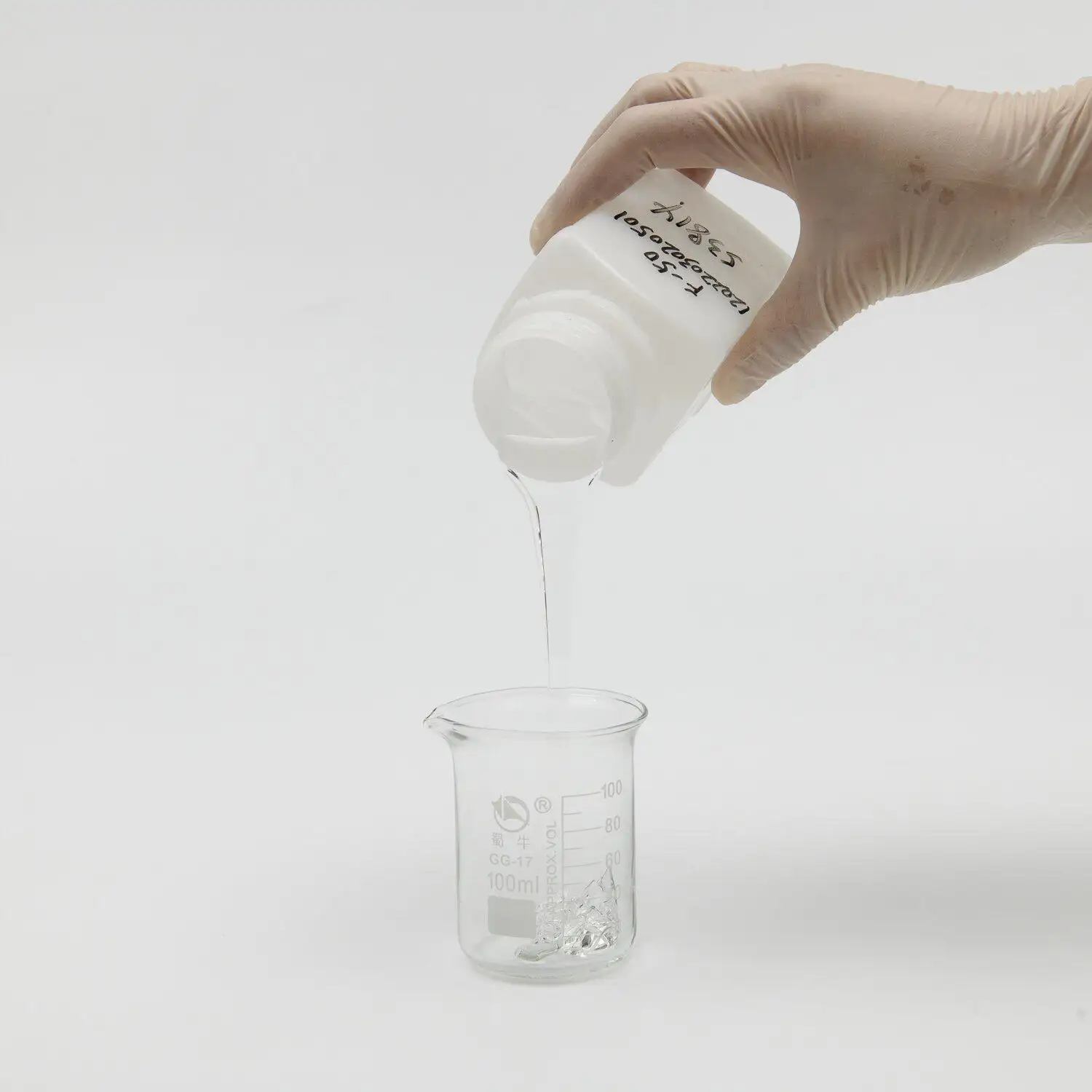
Dimethyl silicone oil has a low surface tension of about 20 mN/m, a level which gives fine release performance from mold surfaces. It is capable of forming molecular level deflection barriers that limit adhesion of chemically unbound materials. In polyurethane casting, it has been shown to achieve a release success rate of over 98 % regardless of the geometric complexity of the mold. The release mechanism of the oil is the reduction of the capillary forces that create demolding resistance and surface meniscus traps. That is, the oil is capable of eliminating surface defects caused by trapped resin and thus improves the integrity of the parts produced. That is, the material has been shown to maintain a consistent release performance without forming a release agent residue. This has been shown to allow a reduction in the frequency of production tool maintenance, and has also improved the dimensional stability of the parts produced. This is critical when the parts produced from the molds have tight tolerances.
In the rubber vulcanization and polymer processing, the chemical flexibility of the dimethyl silicone oil makes it chemically inert and non-reactive.
The oil remains stable, as confirmed by thermogravimetric analysis, which demonstrates stability across experimental conditions even in the presence of vulcanization temperatures which may exceed 180 degrees Celsius. Furthermore, the oil can chemically remain unreactive against accelerators, catalysts and polymer chains and importantly, does not result in the formation of any sticky, residue mess within the molds or chemically alter the formulation. EPDM polymer processing plants have observed extensive equipment wear with the use of the unreactive plant oil. The silicone oil lasts approximately 40% longer than the previous used organic release agents. The presence of embedded, released and unreactive additives results in an observable reduction in the surface defects of the processed polymer. The chemically unreactive nature of the dimethyl silicone oil means that the crosslinking reactions of the elastomers remain unchanged which results in constant curation rates during the entire production run without undesirable byproducts, as the chemical composition of the processed polymer remains unchanged.
Thermal Stability and Oxidation Resistance: Sustaining Performance Under High-Temperature Lubrication
Stable operation is possible up to 200 °C without volatilization or the formation of residues (verified by ASTM D92).
According to the ASTM D92 standards (Cleveland Open Cup method), dimethyl silicone oil (a type of silicone oil) simply outlasts competitors and provides superior die casting and polymer (plastic) injection molding (plastic) (where metal temperatures exceed 175 °C) oil alternatives. Mineral (petroleum) oils are known to form residues and vaporize (evaporate) at high temperatures. In die casting and plastic injection molding operations (petroleum) oils break down. Silicone oils (dimethyl silicone oils specifically) offer real value to permanently running factories and machine shops.
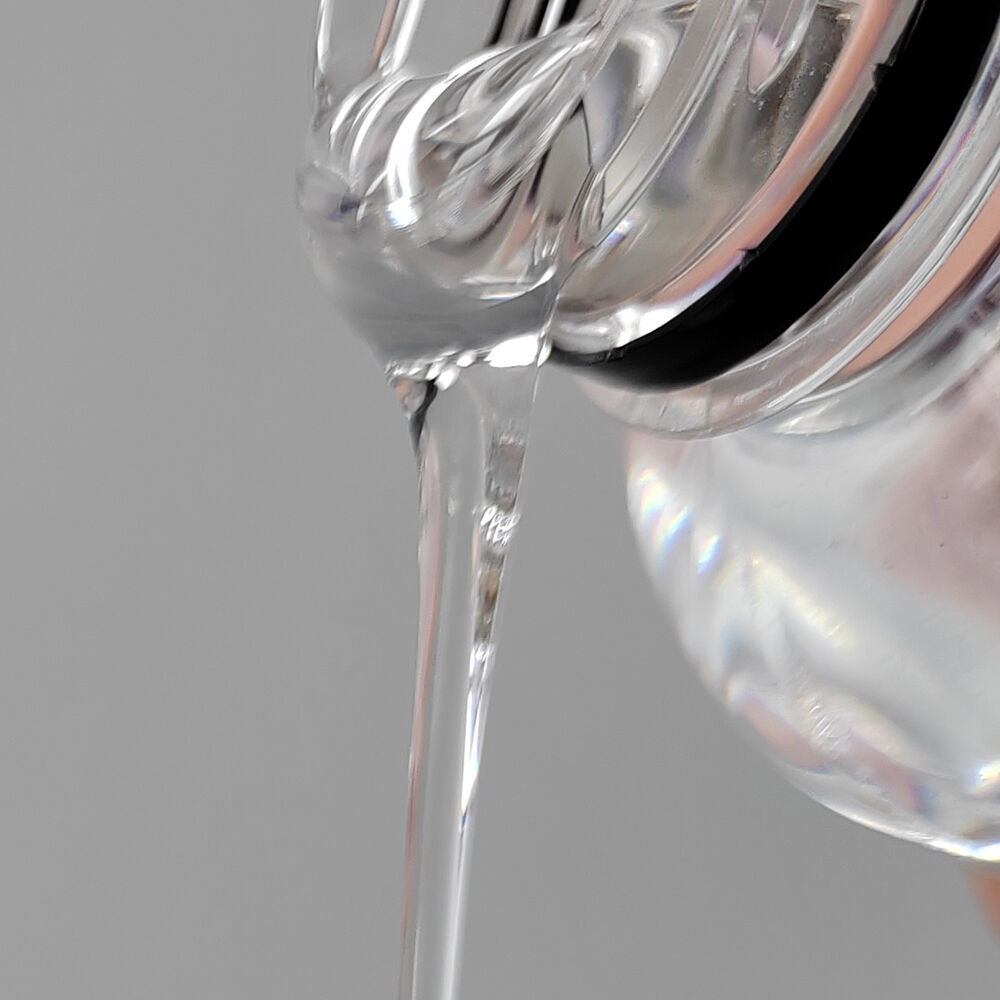
Service life can be extended in continuous industrial lubrication systems by using dimethyl silicone oil because it has a unique molecular structure that resists oxidation.
Lubrication Engineering's research on silicone oil vs. mineral oil shows silicone oil stretches its service life an average of three times more than mineral oil because its viscosity changes 80% less than mineral oil. What that means for maintenance teams is they can service continuous systems such as conveyor chains and industrial gearboxes three times less. The less maintenance done means less time the production is stopped and the less damage the oil oxidation byproducts will be. Plants that operate 24/7 benefit the most from this oil because they are operating for thousands of hours and they are getting hydrodynamic lubrication protection the entire time.
Surface Activity and Film-Forming Ability: Consistent Lubricity and Hydrophobic Protection
Uniform and long-lasting thin-film formation on metallic, elastomeric, and thermoplastic substrates
Dimethyl silicone oil provides less than 5 microns thin films on all substrates and does not pool or break films and rods during temperature changes. When the film is applied to the substrates of elastic materials, it can also act as a release agent for several hundred curing cycles (it can exceed 200) and withstands significant mechanical and shear stress (above about 3,500psi) even on metal parts. The effectiveness of the film at this mechanical stress is due to the surface molecular orientation. The outward-facing methyl groups form a surface protective layer that makes the film resistant to adhesion and provides a non-stick surface.
In environments of high humidity manufacturing, moisture-induced sticking and corrosion can be countered through hydrophobicity.
With contact angles beyond 110 degrees, Dimethyl silicone oil films have an excellent water resistance. Where humidity reaches 80% and above, these films have been shown in industry trials to reduce sticking issues and oil films during rubber molding by nearly 2/3. Tools also last significantly longer with less electrolytic corrosion, and as a result, automotive manufacturers using these release agents have experienced a 41% reduction in corrosion-related rejected parts in zinc die casting. How does it work? Because of its hydrophobic properties, it prevents capillary condensation within the micro-textured molds, therefore, protecting the intricate design from adhesion issues.
Optimizing Dimethyl Silicone Oil for Different Application Techniques: Viscosity Tunability
Dimethyl silicone oil is known for its astonishing versatility due to its wide range of viscosities. Dimethyl silicone oil is useful for many commercial applications due to its range of viscosities. For the lowest range of viscosities (5 to 200 cSt), dimethyl silicone oils can be used to easily formulate spray systems, coat surfaces, and form solvent free emulsions. They are ideal when low coverage on intricate surfaces is desired or residues are to be avoided. The middle range of viscosity (500 to 1500 cSt) is a range where a good balance is achieved to allow controlled spreading and where the liquid does not easily run off the surface. This range is used extensively in dip tank and roll coating applications where control is of utmost importance. For the highest viscosity range, 2000 to 10000 cSt, dimethyl silicone oils are less likely to run or drip to hidden places when needle dispensing on rubber or plastic assemblies. By being able to precisely control the viscosity of silicone oils, waste of materials is minimized and the release characteristics of products from molds is enhanced due to the lack of a lubricant pool to trap and collect dust and debris. However, selecting a viscosity grade is not as simple as just selecting a number.
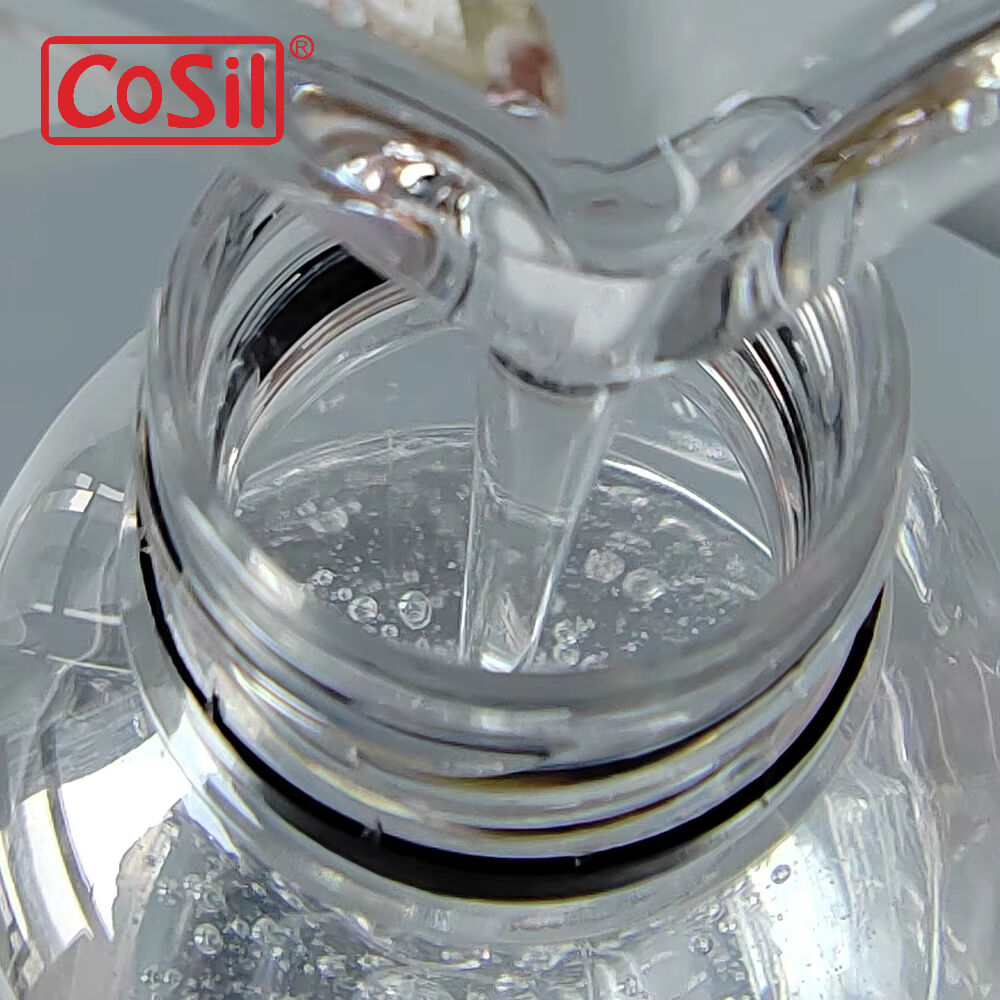
Operators are required to understand the limitations of temperature as well as the stress given to the oil in each application, as elaborated in the majority of industrial fluid handling manuals.
Viscosity grades (5–10,000 cSt) matched to spray, dip, roll-coating, and direct dispensing
The lower viscosity versions are suitable for the pneumatic spraying of metal dies as they form the thin films that dry the quickest. A product with a moderate viscosity is required for dip coating in order to achieve the proper coverage of elastomers without excessive run-off. Mid-range materials are preferred for roll coating to prevent starvation, ribbing, and other similar issues. High viscosity formulations provide a high degree of precision for targeted application to thermoplastic inserts. With no undesirable bleeding to the edges, they provide optimal control of release. Most manufacturers find that this method is effective in maintaining consistent quality across different production runs.
Real-World Validation: Demonstrated Effectiveness in Rubber Curing and Plastics Molding
Production of EPDM gaskets: 37% decrease in demolding force using dimethyl silicone oil
During the production of EPDM gaskets, dimethyl silicone oil causes a 37% reduction in demolding force compared to conventional release agents. This is due to its low surface tension (about 21 mN/m or less) and the almost complete elimination of “stickies” (friction, drag, and adhesion) between the cured rubber and the mold. As a result, fragile gasket features are preserved and any microscopic ejection tears disappear. This can bring about a number of operational benefits, including shorter cycle times, less hand scraping, and a reduction in mold cleaning downtime. For high volume elastomer production lines, the accumulated benefits are substantial.
FAQ
What is dimethyl silicone oil used for?
For mold release and lubrication. Its low surface tension and chemical inertness to polymer chains make it virtually demolding complex shapes and no residues.
What is the behavior of dimethyl silicone oil at high temperatures?
Dimethyl silicone oil is able to provide lubrication for more than 200°C because ASTM D92 testing shows it does not volatilize up to 200°C.
What is the importance of viscosity tunability of Dimethyl Silicon Oil?
Tunable viscosity enables the dimethyl silicone oil to be effective in the several methods of application including spray, dip, roll-coating, and direct dispensing.
Is dimethyl silicone oil able to undergo oxidative stress?
Yes, the structure does not undergo significant changes when oxidized and reduces the viscosity changes to almost 80% when compared to mineral oils, thus improving the service life of the system in continuous lubrication.
Table of Contents
- In the rubber vulcanization and polymer processing, the chemical flexibility of the dimethyl silicone oil makes it chemically inert and non-reactive.
- Surface Activity and Film-Forming Ability: Consistent Lubricity and Hydrophobic Protection
- Viscosity grades (5–10,000 cSt) matched to spray, dip, roll-coating, and direct dispensing
- FAQ