EN
EN
 AR
AR
 FR
FR
 DE
DE
 IT
IT
 JA
JA
 KO
KO
 PT
PT
 RU
RU
 ES
ES


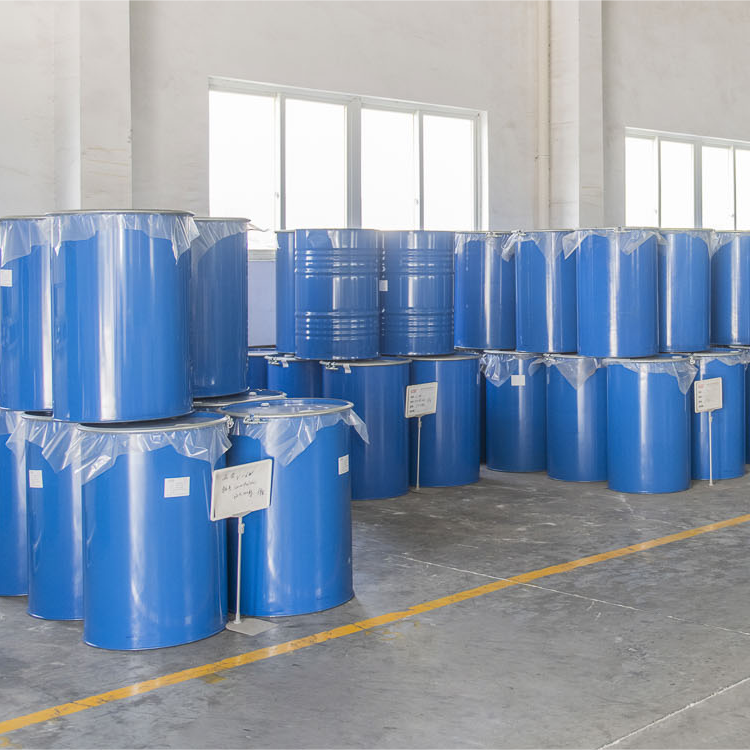
Precision electronic equipment including automotive ECUs, outdoor telecom modules, PCBs and gold plated connectors often suffers hidden corrosion caused by sealing materials. Most conventional acetoxy cure silicone sealants release acetic acid while curing. This acidic vapor triggers electrochemical migration, copper dendrite growth and connector oxidation, leading to intermittent circuit faults.
Neutral cure silicone sealant solves this fundamental problem with non-corrosive alkoxy curing chemistry. It has become the top sealing material for mission-critical electronics with strict reliability requirements. This blog explains its chemical advantages, real world failure comparisons, substrate adhesion performance, environmental durability and mass production compliance.
Difference Between Neutral Cure and Acetoxy Cure Chemistry
Traditional acetoxy-cure sealants produce acetic acid during vulcanization. Acetic acid splits into acetate ions and forms electrolytes. With voltage applied on circuit traces, electrochemical migration occurs easily.
Neutral cure silicone only releases inert methanol or ethanol after curing. No corrosive byproducts exist inside the PCB microenvironment. The material keeps ultra-low ionic purity, with total chloride and alkali content below 5 ppm. It effectively blocks anodic filament and copper dendrite formation on fine circuit lines.
IPC Reliability Test Data Comparison
A 2021 IPC-TM-650 accelerated aging test confirmed obvious gaps between two sealant types.
Circuit boards sealed with neutral cure silicone kept surface insulation resistance above 1×10¹² Ω after 1000 hours under 85°C and 85% relative humidity.
By contrast, assemblies sealed with acetic cure sealants dropped below 1×10⁸ Ω in just 168 hours, with visible copper metal migration.
Stable insulation resistance prevents leakage current drift on high impedance sensors and analog circuits, avoiding sudden short circuits caused by tiny ionic pollution.
Failure Case: Acetic Sealant Ruins Gold Plated Connectors
Gold plated connectors are widely used in USB ports, edge card slots and board-to-board interconnects. They are extremely vulnerable to acidic vapor.
Acetic acid penetrates tiny pores on the gold plating and corrodes the nickel barrier underneath. Nickel acetate corrosion spreads across contact surfaces, sharply raising contact resistance and causing intermittent open circuits.
A 2022 teardown project from a top automotive Tier 1 supplier studied failed vehicle telematics units. Connectors sealed by acetoxy silicone had heavy nickel oxide contamination, with average resistance hitting 280 mΩ, far exceeding the 10 mΩ standard.
After switching to neutral cure silicone, connector failure rate fell from 2.4% down to 0.03% within two years of field testing. Since only alcohol volatiles are released, gold contact surfaces remain intact during long term thermal cycling. The material also protects silver palladium terminals and bare copper pads from chemical erosion.
Primer Free Adhesion on Multiple Electronic Substrates
Reliable Bonding for PCB, Metal Connectors and Coatings
Neutral silicone sealant creates tight chemical bonds without primer treatment. It sticks firmly to FR4 circuit boards, metal connector shells and conformal coating layers.
This removes one extra working procedure, shortens assembly cycle time and avoids solvent contamination. On PCBs, the sealant combines tightly with epoxy base and solder mask to absorb thermal expansion stress without peeling.
It will not damage gold and tin plating while maintaining strong bonding. The product also adheres well to powder coated aluminum enclosures and painted chassis, making it an all-in-one solution for mixed material electronic assemblies.
Neutral PH Protects Plastics and Flexible Circuits
Thanks to neutral PH curing, this silicone will not crack polycarbonate housings or embrittle PET and polyimide flexible films. No acidic vapor will shift the calibration data of MEMS encapsulated sensors.
Low modulus brings good vibration buffering for delicate components. It bonds firmly with ABS, PBT and nylon engineering plastics without swelling or deforming plastic parts. This material compatibility makes it ideal for high-density compact electronics.
Long Term Durability in Harsh Working Conditions
Thermal Cycle and Humidity Resistance for Outdoor Electronics
Outdoor sensors and telecom devices face sharp temperature fluctuation from -40°C up to 85°C plus heavy condensation. Neutral silicone has elongation above 300% and low modulus to absorb repeated thermal expansion and contraction without cracking.
ISO 16750-4:2023 testing shows the sealant retains more than 90% original adhesion after 1000 hours damp heat aging and 500 thermal shock cycles. It maintains stable dielectric strength and prevents conductor corrosion far longer than acetoxy silicone sealants.
Vibration Resistance for Automotive ECU and Industrial Controllers
Constant vibration easily breaks rigid epoxy adhesive and creates intermittent faults on automotive ECUs. Neutral silicone works as a flexible damping layer to reduce mechanical stress on solder joints and connectors.
Viscoelastic performance stays stable even at -50°C. According to VW PV 1200 standard tests, silicone sealed housings survive 1000 hours of combined temperature humidity and vibration testing. Epoxy sealed products usually suffer bond peeling after only 300 hours. The flexible sealing avoids unexpected downtime for automated factory equipment and autonomous vehicle sensors.
Mass Production & OEM Regulatory Compliance
Neutral one-component silicone fits fully automatic dispensing equipment perfectly. No mixing or primer application is needed, which stabilizes production yield for high-volume electronics manufacturing.
In a 2023 connector sealing test, neutral cured assemblies kept contact resistance within 5% of initial value after 2000 thermal cycles (-40°C ~ +125°C). Acetoxy cured products saw resistance rise 300% due to gold layer corrosion.
The formulation meets RoHS, REACH, IEC 62368-1 and IPC-A-610 Class 3 high reliability standards. Consistent viscosity enables neat bead dispensing on miniature connectors without voids, lowering rework rates and EMI risks. Electronics manufacturers can eliminate hidden corrosion risks and simplify compliance certification for automotive, industrial and outdoor lighting products.
What is neutral cure silicone sealant
Unlike traditional acetoxy silicone that releases acetic acid, neutral cure silicone emits only inert methanol or ethanol during crosslinking, with zero corrosive gas.
How does neutral silicone stop electrochemical corrosion on PCB
Without acetic acid pollution, ionic contamination is controlled at a low level. Copper dendrite growth and conductive filament can be fully prevented to keep high insulation resistance.
Why do gold plated connectors fail when using acetoxy cure sealant
Acetic vapor eats through gold plating and corrodes the nickel barrier layer, forming corrosion residues and increasing contact resistance. Neutral silicone produces no acidic vapor to protect metal contacts.
Can neutral silicone bond different substrates without primer
Yes. It achieves strong adhesion on FR4 PCB, metal shells, coated aluminum and various plastics without surface activator.
Will neutral silicone damage flexible circuits and plastic parts
Its neutral PH avoids stress cracking and film embrittlement, safe for polyimide circuits, polycarbonate and nylon components.
How does this silicone perform under high temperature and vibration
High elongation resists thermal cycling cracking, while low modulus provides vibration damping for automotive and outdoor electronic equipment.
Table of Contents
- Non Corrosive Formula: Stop Acidic Damage to Sensitive Electronics
- Failure Case: Acetic Sealant Ruins Gold Plated Connectors
- Primer Free Adhesion on Multiple Electronic Substrates
- Long Term Durability in Harsh Working Conditions
- Mass Production & OEM Regulatory Compliance
-
FAQ
- What is neutral cure silicone sealant
- How does neutral silicone stop electrochemical corrosion on PCB
- Why do gold plated connectors fail when using acetoxy cure sealant
- Can neutral silicone bond different substrates without primer
- Will neutral silicone damage flexible circuits and plastic parts
- How does this silicone perform under high temperature and vibration