EN
EN
 AR
AR
 FR
FR
 DE
DE
 IT
IT
 JA
JA
 KO
KO
 PT
PT
 RU
RU
 ES
ES

The Importance of the ISO Certification Process for Silicone Oil
The essential aspect of the process for getting ISO Certification is that it involves an independent auditor evaluating the quality management systems of the manufacturer. With respect to silicone oil, an ISO Certification means that the manufacturer guarantees the consistency of every batch produced, whether it is for laboratory testing, commercial production of 10,000 gallon batches, or for testing production at smaller scales. If a manufacturer does not hold ISO Certification, it is highly likely that they have engaged in vendor quality compromises or decision process short-cuts. If a manufacturer does hold ISO Certification, it means that the quality vendor and manufacturer processes have been documented and that the manufacturer has defined their quality processes for tracking siloxanes from their raw materials through to the factory floor.
ISO 9001: Foundational Process Control and Consistency
ISO 9001 requires quality management to be uniform and systematic for all processes. In the case of silicone oil manufacturers, this means systematic elimination of viscosity drift and batch irregularities via:
Statistical Process Control (SPC): During the polymerization process, SPC allows for the real-time measurement of the distribution of polymer chain lengths.
Supplier Qualification Protocols: Qualified providers of platinum catalysts and siloxane monomers are assessed against specific test criteria.
Documented Change Controls: Maintaining viscosity (±5%) and purity (≥99.9%) of large-volume batches unchanged.
1. Manufacturers (Quality Progress, 2023) with ISO certification have shown a 34% reduction in defect rates. This is particularly true in the automotive and aerospace industries. The ISO standard’s audit processes are crucial for the quick identification of cause and effect relationships when trends are out of compliance. Poor thermal stability leads to severe opening and sealing leaks in containment structures.
ISO 13485 & USP Class VI: Overlapping Concerns in Medical-Grade Silicone Oil
Due to the nature of their work, Medical fields require a much higher level of safety and a stronger level of biological safety. Silicone oil in medical devices like syringes or coatings of implants, demands the integration of USP Class VI biocompatibility alongside ISO 13485 which incorporates a risk-based, quality management framework for surgical devices.
This type of dual compliance allows silicone oil to stay in compliance with FDA 21 CFR Part 820 and at the same time, mitigate the presence of leachable materials that would cause an inflammatory response, thus, avoiding the majority of Regulatory Audit findings (83%) (MedTech Dive, 2024). This is encouraging for extrinsic oil contamination in the case of patient-centered drug delivery systems.
How ISO-Certified Silicone Oil Addresses Core Manufacturing Challenges
Imploding Issues with Viscosity Drift & Batch-to-Batch Variability
Silicone oil suppliers with ISO 9001 certification have unique ways of process control regarding the molecular distribution of silicone oil. It is this level of process control that prevents the large swings of non-certified oils that are common during production runs of extended duration. Manufacturing certified silicone oils, on the average, demonstrate around a 3% variability of viscosity over an extended production run. That means the silicone oil will flow adequately through any type of precision dispensing device. This is a situation where the real data speaks for itself. "The levels of viscosity related shutdowns have nearly eliminated with the switch of silicone oils with ISO certifications," states an end user. According to the 2023 Ponemon Institute Research, manufacturers had operational costs of $740,000 per year in unaccounted for downtime, due to viscosity related issues, that were eliminated with the switch to ISO certified silicone oil. Additionally, ISO certified silicone oil has a distinct additional layer of quality control that is attributed to the documented control of variability. ISO Certification requires that a documented system of control be maintained for the production process.Following polymer feedstock sources, raw materials are traced for polymer traceability.
Viscosity, during polymerization, is monitored in real time.
Verification from third-party sources is done for each production lot.
Consistency Factor: Non-Certified Silicone Oil versus ISO-Certified Silicone Oil
Viscosity Tolerance: Non-Certified Silicone Oil (±15%) ISO-Certified (±3%)
Defect Rate per 10k Tons: Non-Certified Silicone Oil (47 incidents) ISO-Certified (less than 2 incidents)
Production Stoppages: Non-Certified Silicone Oil (8.2 hours/month) ISO-Certified (0.5 hours/month)
Reducing catalyst residues and volatile impurities (VI) in high-volume runs.
Catalyst residue removal (⟨ 50 ppm) is essential for ISO 13485-certified purification processes in medical and electronics applications that are sensitive to contamination due to rapid corrosion of platinum. Non-certified oils may contain as much as 500 ppm. Procedural requirements for validation include:
- Multi-stage vacuum stripping for elimination of low-molecular-weight siloxanes
- Biocompatibility testing of Class VI U.S. surgical implants
- 0.1% volatile content
- Outgassing in semiconductor manufacturing is 89% reduced and service intervals of lubricants in automotive assembly are increased 300%. Medical device manufacturers using ISO-certified silicone oil report zero residue-related audit findings, while those using uncertified silicone oil report an average of 4.7 non-compliances (FDA, 2023)
The Consistent Performance Record of ISO-Certified Silicone Oil
The irretrievable high-performance of ISO-certified silicone oil in silicone oil is due to its adhesion to purity and its high bound oxygen content. It provides reliable function and thermal stability in environments where material failure is considered critical.
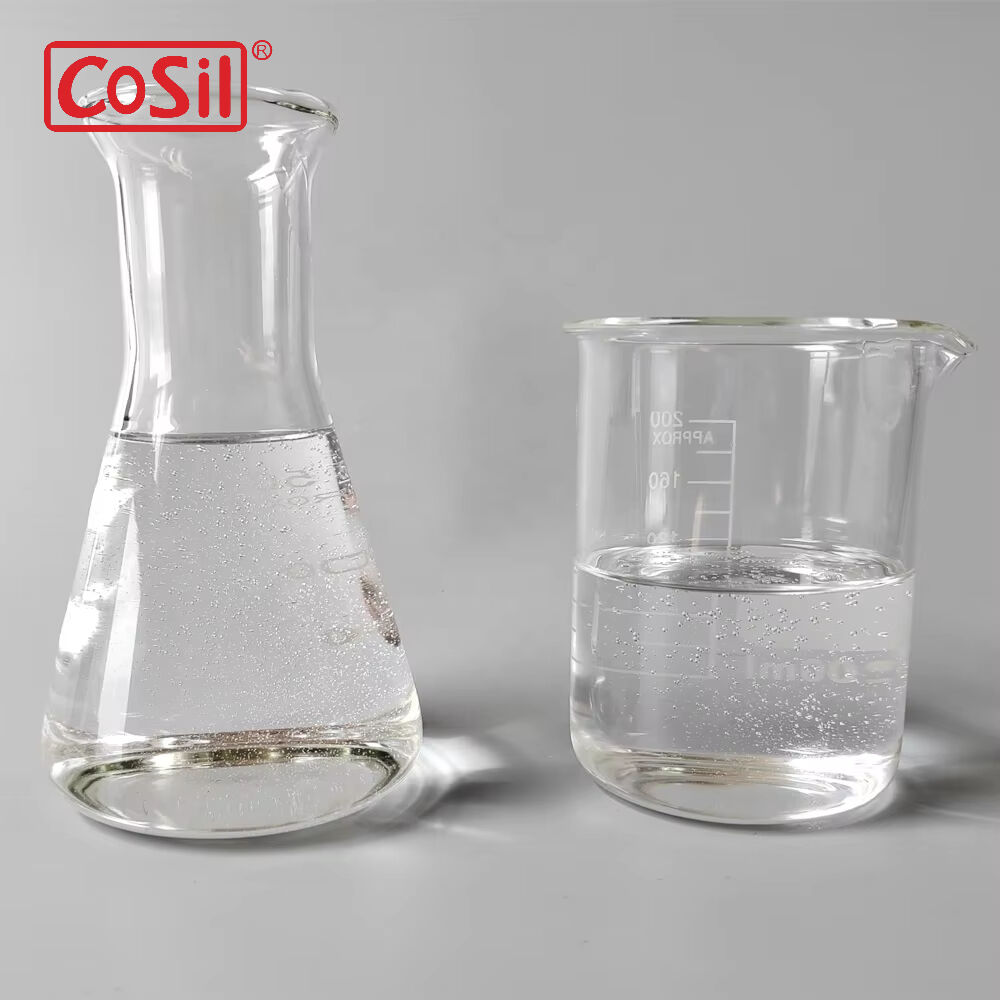
Automotive Seals: Dealing with Thermal Cycling with Silicone Oil with ISO Certification
Automotive seals must be extremely versatile, as they have to endure temperatures from -40 degrees Celsius to over +200 degrees Celsius and are subjected to continuous mechanical stress. ISO 9001 certified silicone oil demonstrates consistency through temperature cycling and allows seals to survive without becoming brittle, cracking, or breaking down. Vehicles with these certified products experience approximately 70% less failures, significantly decreasing warranty claims and stopping production line down-time. It is also important to note that certified oils allows seals to withstand up to 30% longer during extreme thermal cycling. This means vehicles that must withstand extreme weather and challenging road conditions can be extremely reliable with no need for costly repairs and replacements for longer periods of time.
Medical Device Lubrication and its Compliance to ISO 10993 and Other Regulatory Audits
Medical-grade lubricants used within devices must be safe and reliable for all patients and medical professionals using them. That's why medical institutions often use silicone options that have been tested and approved for consumer use. These lubricants have been tested and approved using the USP Class VI method. They also comply with ISO 10993, which evaluates whether the lubricant will have a negative biological reaction. Having these certifications makes the medical institution's regulatory inspection process with the FDA and European Compliance Regulations a whole lot easier. Believe it or not, nearly 40 percent of inspection issues for medical institutions are related to the lubricants that are present within the instruments of their drug delivery systems, while the remaining 60 percent of issues are related to regulatory compliance. From the main raw material to the final processing, lubricant manufacturers must comply with the requirements of ISO 13485 that pertain to the materials that are used to create the implants or drug delivery systems. It is not enough to simply have the proper certifications. It is up to healthcare professionals to keep the patients and medical professionals safe and the systems operational to maintain a proper workflow.Scalability: Moving From Lab Validation to Production of Multi-Ton Quantities of Silicone Oil
Translating silicone oil production from small lab tests to large scale manufacturing involves handling a large number of production variables with consistent control. This gap is bypassed through ISOs, because the control of variables is captured in the documentation of standard operating procedures, regardless of the volume of production. Upon certification, firms commit to the same quality control (QC) checks, material traceability (from start to finish), and the same QC runs on a 10 kg sample as on a 10,000 ton order. This type of control is critical to avoid production problems everyone cares about, because production downtime is expensive (up to $740k/hour, according to last year's Ponemon Institute study). The control of certain production variables (fluid viscosity, heat resistance, chemical purity) is maintained from the start of testing, through subsequent production scale-up runs, to full-scale production. This control minimizes the number of times a formulation fails, as well as the occurrence of equipment downtime. The traceability provided through production continuously supports regulatory approval, and allows firms to respond to customer demand qui4 without subsequent regulatory problems.
FAQ
What does it mean to have silicone oil with ISO Certification?
It means that the International Organization for Standardization has confirmed that the silicones (synthetic polymeric compounds with siloxane (Si-O) structures) are consistent, pure, and of good quality, related to the manufacturing processes.
Why does silicone oil manufacturing require ISO 9001 certification?
This is because the ISO 9001 is one of the quality management system standards that allows for the quality control of processes and the reduction of inconsistencies and defects.
What do ISO 13485 and USP Class VI mean for medical grade silicone oil?
The above standards ensure that medical-grade silicone oil is compliant with the biocompatibility, minimum extractables, and sterility requirements of materials used to make medical devices.
What are the advantages of using ISO regulated silicone oil in manufacturing processes?
There are advantages like, for example, silicone oil with improved purity and less viscosity drift, in addition to the assurance that the silicone oil will perform reliably, this is critical in applications in the medical and automotive sectors, especially when there's an ISO-certified silicone oil.
How does an ISO certification make it possible to scale up silicone oil production?
It allows for the volume of production to be multiplied from laboratory-sized production to larger-sized production, while maintaining the same quality standards.