EN
EN
 AR
AR
 FR
FR
 DE
DE
 IT
IT
 JA
JA
 KO
KO
 PT
PT
 RU
RU
 ES
ES
What Determines Bulk Silicone Oil Pricing from Chinese Manufacturers?
Bulk silicone oil pricing is tightly bound to the cost of siloxane monomers, especially D4 and D5. Global supply disruptions or seasonal maintenance at precursor chemical plants can swing these raw material prices by 15 to 20 percent within a single quarter. Production itself is highly energy-intensive: continuous polymerization runs at 130 to 170 degrees Celsius for 4 to 8 hours, and downstream purification demands precise vacuum stripping. Electricity and natural gas account for roughly 30 percent of manufacturing costs. When crude oil markets tighten, both petrochemical feedstock and plant energy bills rise, squeezing operating margins. While China’s high-tech production lines mitigate this through heat-recovery systems and digital rheology controls—reducing energy consumption by 10 to 12 percent—the baseline cost structure remains sensitive to input volatility. Buyers who monitor quarterly D4 contract prices gain an early and reliable signal of where bulk silicone oil quotes are headed.
Free On Board quotations reflect the silicone oil price at the Chinese port of loading, leaving freight, insurance, and destination charges to the buyer. Cost, Insurance, and Freight structures bundle ocean freight, marine insurance, and pier-pass fees into a single landed number. For a 20-tonne drummed shipment from Shanghai to Rotterdam, the cost, insurance, and freight premium typically adds 8 to 12 percent over the Free On Board value. Tariffs further reshape the final price: anti-dumping duties on Chinese silicone oil can reach 25 percent in certain markets, while European Union Registration, Evaluation, Authorisation and Restriction of Chemicals registration fees and United Nations number placarding for hazardous cargo add compliance overhead. Trade data analysis shows that landed costs for silicone oil can diverge by up to 18 percent between Free On Board and Cost, Insurance, and Freight routes, depending on the shipping line’s bunker adjustment factor and the customs broker’s clearance speed.
China’s High-Tech Silicone Oil Manufacturers: Capabilities That Justify Premium Bulk Pricing
Selecting a supplier from China’s advanced manufacturing sector involves recognizing capabilities that directly affect product consistency and operational reliability. The following technical strengths distinguish premium producers and underpin their bulk pricing.
Top-tier manufacturers operate continuous polymerization lines that run 24 hours a day, 7 days a week, with single-train capacities exceeding 20,000 metric tons per year. This scale eliminates the batch-to-batch deviations common in smaller reactors, ensuring every drum of industrial-grade silicone oil meets the same narrow specification. Real-time viscosity control uses in-line Brookfield or capillary rheometers to monitor fluid resistance every 30 seconds during stripping and devolatilization. Automated proportional-integral-derivative loops adjust catalyst feed rates and polymerization time to hold viscosity within plus or minus 3 percent of the target, even for high-viscosity grades up to 10,000 centistokes. The result is dimethyl silicone oil with dependable shear stability and molecular weight distribution, which is critical for hydraulic fluids, heat transfer media, and release agents. Such precision reduces incoming quality checks and minimizes production downtime risk for buyers, justifying the higher unit price tied to technologically intensive production. Continuous processing also yields lower volatile content—typically below 0.5 percent after thin-film evaporation—enhancing safety and performance in high-temperature applications.
Premium manufacturers maintain ISO 9001 certification for quality management and ISO 22000 for food safety, which is a mandatory requirement for silicone oil used in food-grade defoamers or release agents. Compliance with ASTM D1259, the standard specification for industrial-grade polydimethylsiloxane fluids, is verified through independent third-party laboratories for each shipment. Every batch carries a unique digital identifier linking to raw material lots, production logs, and full analytical results, including viscosity, flash point, refractive index, and volatile content. This traceability enables buyers to confirm that a 20,000-liter tanker delivery matches the pre-shipment sample. Such documentation is essential for ISO 13485 medical device manufacturers or automotive Tier-1 suppliers requiring full material disclosure. While the cost of calibration, surveillance audits, and certified testing is embedded in the bulk price, it directly reduces the buyer risk of non-conforming product and costly rework.
Key Bulk Procurement Factors Buyers Must Evaluate Before Ordering Silicone Oil
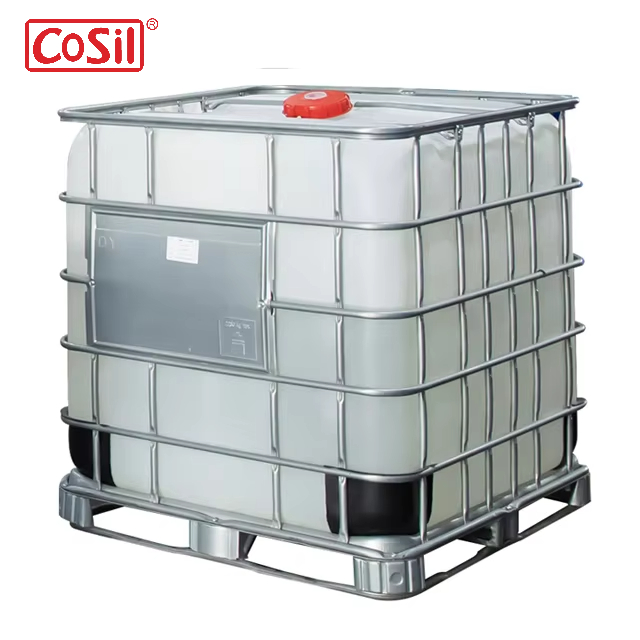
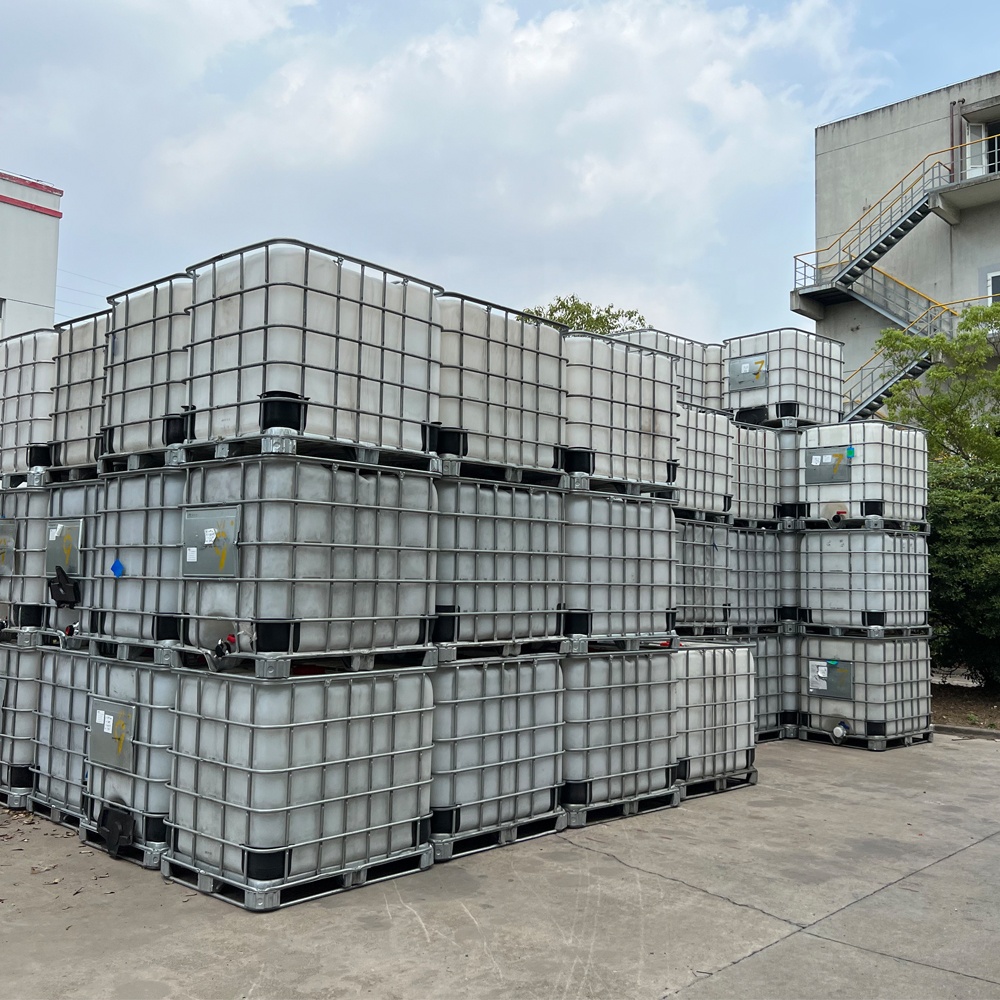
Minimum order quantity thresholds directly shape your unit cost. A high-tech manufacturer may set a 5-metric-ton minimum order quantity for a standard 350 centistoke grade, while a custom 1,000 centistoke variant could require 10 metric tons. Negotiating these thresholds is a primary cost lever. Packaging format is the next critical variable: the choice between 200-liter drums, 1,000-liter intermediate bulk containers, and 20-ton ISO tankers creates a clear cost hierarchy. Drums add per-unit handling and palletization fees; intermediate bulk containers and tankers reduce packaging waste and labor but demand suitable unloading infrastructure at your facility.
| Packaging Format | Typical Volume | Relative Product Cost | Ideal For |
| 200-Liter Drum | 0.2 metric ton | Highest (per kg) | Trials and small-scale production |
| 1,000-Liter IBC | 1 metric ton | Moderate | Medium-batch manufacturing |
| ISO Tanker | 20 metric tons | Lowest (per kg) | Continuous, high-volume processes |
Beware of hidden line items that erode quoted value, such as palletizing charges, fumigation certificates for wooden packaging, and demurrage fees for delayed tanker returns, which are common surcharges. A leading manufacturer’s freight invoice revealed accessorial charges equaled 12 percent of the product cost. Always request a detailed cost and freight or cost, insurance, and freight breakdown before signing agreements.
Precise specification alignment prevents costly production failures. Viscosity is the controlling property: a 10 centistoke silicone oil is a thin, penetrating fluid ideal for mold release agents, while a 10,000 centistoke grade serves as a viscous damping medium. Selecting the wrong grade in a high-shear lubricant application can cause metal-to-metal contact, leading to a 15 percent increase in component wear according to industrial tribology studies. Always confirm broad-temperature performance: flash point should consistently exceed 250 degrees Celsius, and thermal stability must guarantee no gelation after 24 hours at 300 degrees Celsius for high-temperature heat transfer systems. Request a technical datasheet mapping viscosity index against your operating temperature range before committing to a bulk order.
Frequently Asked Questions
-
What factors most influence bulk silicone oil pricing in China?
The key factors influencing bulk silicone oil pricing are raw material costs, particularly siloxane monomers like D4 and D5, energy costs associated with continuous polymerization, global crude oil prices, and production efficiency technologies implemented by manufacturers.
-
How does FOB pricing differ from CIF pricing?
Free On Board pricing reflects the cost of silicone oil at the Chinese port of loading, leaving shipping, insurance, and destination fees to the buyer. Cost, Insurance, and Freight pricing includes these additional charges, offering an all-inclusive landed cost.
-
Why do premium Chinese manufacturers charge higher prices for silicone oil?
Premium manufacturers use advanced production technologies, such as continuous polymerization lines and real-time viscosity monitoring, which ensure product consistency and quality. They also maintain certifications like ISO 9001, ISO 22000, and ASTM D1259 compliance, adding value but increasing costs.
-
What packaging options are available for bulk silicone oil?
Common packaging formats include 200-liter drums, 1,000-liter intermediate bulk containers, and 20-ton ISO tankers. Each format offers different advantages in terms of cost efficiency and handling suitability depending on order volume and application.
-
How can buyers ensure they receive the correct silicone oil specifications?
Confirm the viscosity grade, flash point, and thermal stability requirements for your specific application. Request technical datasheets and pre-shipment samples to verify specification compliance before placing a bulk order.