EN
EN
 AR
AR
 FR
FR
 DE
DE
 IT
IT
 JA
JA
 KO
KO
 PT
PT
 RU
RU
 ES
ES
Why Silicone-Based Mold Release Agents Are Essential for Liquid Silicone Molding
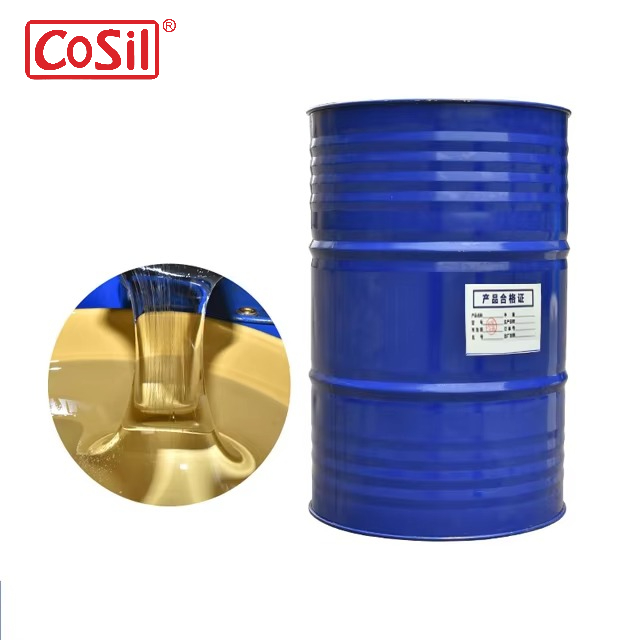
Liquid silicone rubber and other addition-cure silicones bond aggressively to silicone-rich surfaces during the vulcanization process. This behavior stems from reactive vinyl and hydrosilane groups in uncured liquid silicone rubber that readily cross-link with siloxane substrates. Without proper intervention, the molded part fuses irreversibly to the mold, damaging both components and halting production. Polysiloxane-based release agents solve this challenge by forming a controlled film of modified polydimethylsiloxane. Its siloxane backbone ensures excellent wetting on silicone molds, while strategic molecular design renders it chemically inert: densely packed methyl groups create a low-energy surface that is resistant to covalent bonding, and molecular saturation prevents participation in the platinum-catalyzed cure reaction. This precise balance of structural compatibility and chemical passivity makes polysiloxanes the only reliably effective solution for silicone-to-silicone molding. Alternative options risk inconsistent coverage or unpredictable adhesion, which is especially critical in high-precision or multi-cavity tooling where even minor sticking causes costly downtime.
Surface energy governs wetting and adhesion across all molding operations. Untreated silicone molds exhibit a surface energy of 24 to 28 millinewtons per meter, which is very close to the surface tension of liquid silicone formulations, promoting intimate contact and strong interfacial bonding. Silicone-based release agents lower the mold’s surface energy below 21 millinewtons per meter, creating a thermodynamic barrier that inhibits wetting. At the molecular level, the release film acts as a weak boundary layer: highly mobile, non-polar methyl-terminated siloxane chains disrupt incipient cross-links before they can form. This interfacial inhibition masks active sites on the mold surface, preventing anchoring by the curing liquid silicone rubber. Even under elevated temperature and pressure, the film remains thin, coherent, and shear-stable, yet separates cleanly upon demolding. The result is residue-free part release that preserves fine mold detail and eliminates post-demold cleaning.
Mold Release Agent Formulations: Matching Chemistry to Liquid Silicone Processing Conditions
Selecting the right formulation hinges on aligning chemical properties with specific manufacturing demands. Emulsions, solutions, and high-viscosity oils each serve distinct roles in liquid silicone molding operations:
| Formulation | Key Characteristics | Ideal Process Application | Trade-offs & Limitations |
| Emulsion | Water-based, low viscosity, easy to dilute and apply | Heat-cured RTV silicone | May leave slight moisture residue; thermal stability limited below 180°C |
| Solution | Solvent-based, fast-drying, ultra-thin film | General-purpose molding | Volatile organic compound emissions; solvent residues can interfere with platinum cure |
| High-Viscosity Oil | Pure silicone oil, exceptional thermal stability up to 200°C, durable film | Platinum-cure LSR | Requires precise application control; film buildup can occur over multiple cycles |
Room-temperature vulcanizing processes benefit from water-based emulsions due to lower curing temperatures and favorable water evaporation kinetics. In contrast, platinum-cure liquid silicone rubber demands formulations that withstand sustained heat and resist catalytic poisoning, making high-viscosity silicone oils the gold standard despite their more demanding application protocols.
Three performance criteria are non-negotiable for high-precision liquid silicone rubber molding. First, thermal stability up to 200 degrees Celsius ensures the release film remains intact throughout the exothermic cure cycle, preventing carbonaceous residue, surface defects, and progressive mold fouling. Second, low-volatility diluents prevent outgassing during mold closure, which is critical in closed-cavity systems where trapped volatiles cause voids, pinholes, or surface haze. Water or solvent carriers must fully flash off before injection, leaving only the functional silicone layer. Third, residue-free film formation guarantees no transfer to the part surface, preserving optical clarity, secondary bonding integrity, and compatibility with sterilization or coating processes. These requirements are especially stringent for medical-grade liquid silicone rubber, where any migratory compound could compromise biocompatibility or regulatory compliance. An ideal agent delivers a continuous, monomolecular barrier that adheres exclusively to the mold and releases cleanly across hundreds of cycles without accumulation or performance drift.
Substrate-Specific Mold Release Agent Selection for Casting Into Silicone Molds
Choosing the correct mold release agent depends fundamentally on the substrate being cast. Material-specific interactions dictate whether the primary challenge is chemical cure inhibition, moisture migration, or mechanical adhesion, requiring targeted mitigation strategies.
Polyurethane and water-based aqua-resins are highly susceptible to cure inhibition when cast into untreated silicone molds. Residual catalysts or absorbed moisture on the mold surface can deactivate resin catalysts or trigger premature hydrolysis, resulting in tacky, incompletely cured surfaces. A low-surface-energy polysiloxane film physically isolates the resin from the mold, blocking both moisture transfer and catalytic interference. For optimal performance, apply a solvent-based or semi-permanent polysiloxane agent in multiple micron-thin layers, allowing full flash-off between coats. This builds a defect-free, conformal barrier without obscuring fine mold detail, following the guiding principle of keeping applications thin and even to prevent surface blemishes and ensure uniform resin flow and curing.
Plaster and wax impose minimal chemical stress on silicone molds, where the main concerns are moisture absorption and gradual surface erosion. A barely perceptible film, achieved using a dilute silicone oil or low-viscosity emulsion, is sufficient to mitigate both. Apply sparingly with a lint-free cloth and wipe away excess to avoid filling micro-textures. Multiple light coats, dried thoroughly between applications, extend mold life while preserving crisp reproduction of surface features.
Practical Mold Release Agent Decision Framework for Manufacturers
Choosing the right mold release agent is a strategic, process-driven decision rather than a commodity selection. A robust evaluation framework begins with one decisive question: Will this part undergo post-processing such as painting, bonding, or sterilization? If the answer is yes, the agent must be paintable, non-migrating, or certified to relevant standards for medical devices or food contact, effectively eliminating unsuitable options before evaluating specific chemistry.
The next tier assesses three interdependent variables:
-
Substrate and Mold Pairing: Determines the nature of the adhesion risk. Casting polyurethane resin into a silicone mold, for example, requires a robust polysiloxane barrier to prevent cure inhibition.
-
Mold Material: Influences film durability needs. Rigid metal molds tolerate semi-permanent coatings, whereas flexible silicone molds often perform best with sacrificial or low-build agents.
-
Peak Process Temperature: Dictates minimum thermal stability requirements. Platinum-cure liquid silicone rubber processes routinely reach 180 to 200 degrees Celsius, requiring agents rated for 200 degrees Celsius or higher to avoid breakdown and residue.
This decision-making framework shifts focus from chasing a universal chemical to optimizing for total cost of ownership, encompassing chemical cost, application labor, scrap rate, and mold cleaning downtime. Industry data shows that suboptimal agent selection increases scrap rates by over 15 percent due to surface defects and demolding failures. By grounding decisions in end-use requirements, material compatibility, and process economics, manufacturers turn mold release from a source of variability into a predictable pillar of quality and manufacturing efficiency.
Frequently Asked Questions
-
Why are silicone-based mold release agents superior for silicone molding?
Silicone-based mold release agents are superior because their chemistry is tailored to bond well with silicone molds while creating a low-energy surface that avoids adhesion, even under high heat and pressure, ensuring consistent and clean releases.
-
What challenges arise with untreated silicone molds?
Untreated silicone molds have surface energies that naturally promote adhesion, making it difficult to release liquid silicone rubber. This can result in part and mold damage, production halts, and increased costs due to cleaning and repairs.
-
What are the key criteria for selecting a mold release agent?
The three critical criteria include thermal stability up to 200 degrees Celsius, low-volatility diluents to prevent residue buildup, and the ability to form a residue-free, thin, and durable film.
-
How do mold release formulations differ for various processes?
Emulsions are ideal for lower temperatures and room-temperature vulcanizing processes, solutions work for general applications but may emit volatile organic compounds, and high-viscosity oils are optimal for platinum-cure processes due to exceptional thermal stability.
-
What factors influence mold release agent choice for specific substrates?
Substrate-specific factors include chemical cure inhibition, moisture migration, and mechanical adhesion requirements, such as using polysiloxane agents for polyurethane resin to prevent surface cure inhibition.