EN
EN
 AR
AR
 FR
FR
 DE
DE
 IT
IT
 JA
JA
 KO
KO
 PT
PT
 RU
RU
 ES
ES

Match PDMS Grade to Application Requirements
Fluid, Elastomer, or Resin: Selecting the Right PDMS Form for Lubrication, Mold Release, or Electrical Insulation
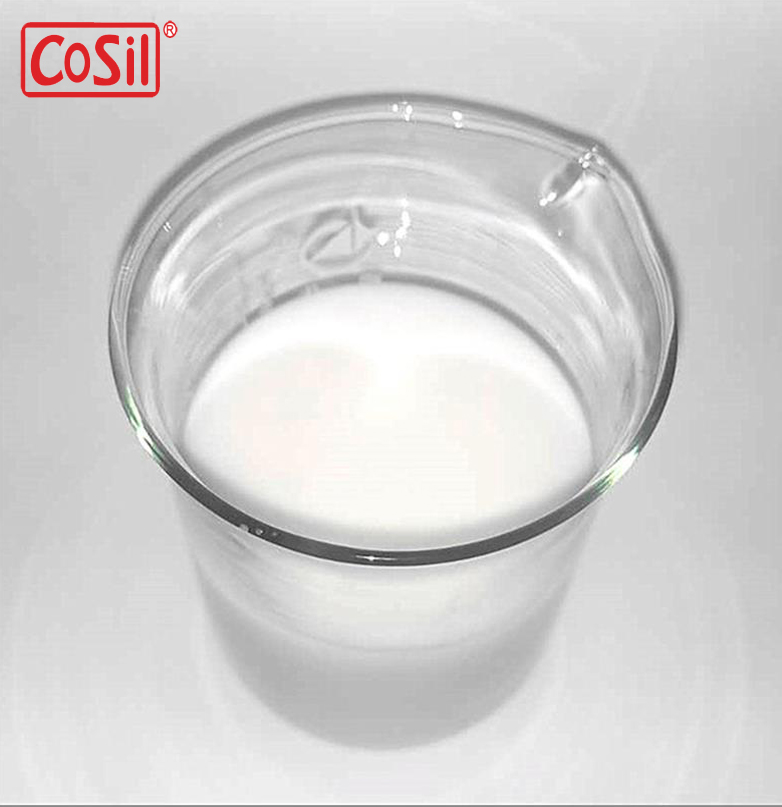
Polydimethylsiloxane (PDMS) is available in three primary forms—fluid, elastomer, and resin—each engineered for distinct functional roles. Low-viscosity PDMS fluids (0.65–100 cSt) serve as high-performance lubricants and mold release agents, maintaining stability across a broad temperature range (–50 °C to 200 °C) without carbonizing. Medium-viscosity grades (10,000–50,000 cSt) form persistent, low-surface-energy films ideal for demanding mold release applications, reducing sticking and shortening cycle times. For electrical insulation, high-molecular-weight PDMS resins deliver dielectric strength exceeding 500 V/mil and excellent resistance to electrical tracking—making them preferred for potting compounds and conformal coatings. Using an inappropriate form compromises performance: fluids may drain from vertical surfaces where resins are required, while rigid resins crack under flexure in dynamic joints. Matching PDMS form to mechanical, thermal, and service-life requirements ensures both reliability and cost efficiency.
Molecular Weight and Cross-Link Density: Impact on Viscosity, Elastic Recovery, and Compression Set in Bulk Applications
Molecular weight and cross-link density are foundational determinants of bulk PDMS behavior. Higher molecular weight increases chain entanglement, elevating viscosity and elastic recovery—e.g., a 1,000,000 g/mol PDMS achieves ~95% elastic recovery after 100% strain, versus ~60% for a 100,000 g/mol variant. Cross-link density—controlled by catalyst type and concentration—governs hardness and compression set. Tightly cross-linked networks (1.0–1.5 mol% cross-linker) yield Shore A 50–70 elastomers with compression set <10% per ASTM D395, suitable for static and dynamic seals. Looser networks (0.2–0.5 mol%) produce softer, highly extensible materials but sacrifice long-term recovery. In gasket and seal applications, even a 5% improvement in compression set can extend service life by up to 30% under cyclic loading. Batch certificates must verify these parameters to ensure consistent lot-to-lot performance across production runs.
Validate Performance with Industry-Standard PDMS Testing
Mechanical Integrity: Shore A Hardness, Tensile Strength, and Elongation per ASTM D2240/D412
Mechanical integrity of bulk PDMS is validated through three standardized metrics: Shore A hardness (ASTM D2240), tensile strength, and elongation at break (ASTM D412). Shore A values typically span 20–80, with lower values indicating greater compliance for cushioning or sealing, and higher values supporting structural or load-bearing functions. Tensile testing reveals modulus, ultimate strength (typically 5–10 MPa), and elongation (300–700%), all of which correlate directly with cross-link density. Deviations >10% from target specifications risk premature failure in dynamic applications such as vibration dampers or gaskets. Evaluating hardness, tensile strength, and elongation collectively provides a robust mechanical profile—ensuring suitability for uses ranging from flexible electrical insulation to durable mold release liners.
Long-Term Stability: Thermal Aging (ASTM D572) and Chemical Resistance as Predictors of Bulk Lot Reliability
Long-term reliability of bulk PDMS depends on its ability to retain mechanical properties after thermal and chemical exposure. Accelerated thermal aging per ASTM D572—commonly conducted at 150–200 °C—predicts real-world service life: premium PDMS retains >90% of initial tensile strength and elongation after 1,000 hours at 180 °C, whereas lower-grade material may embrittle or lose elasticity prematurely. Complementary chemical resistance testing (e.g., immersion in hydrocarbons, oils, or acids) identifies susceptibility to swelling or degradation. While PDMS inherently resists polar solvents, non-polar hydrocarbons can induce >20% volume swell—jeopardizing seal integrity or insulating function. Correlating ASTM D572 data with chemical compatibility profiles enables procurement teams to forecast bulk lot durability, especially for mission-critical applications like automotive under-hood components or long-term medical device housings.
Choose a Scalable and Compliant PDMS Curing System
Platinum vs. Tin Catalysts: Balancing Cure Speed, Shelf Life, RoHS/REACH Compliance, and Batch Uniformity
Catalyst selection critically influences scalability, regulatory alignment, and process control in bulk PDMS manufacturing. Platinum-catalyzed systems enable rapid, precise high-temperature curing—often achieving full cross-linking in minutes—with tight stoichiometric control that ensures exceptional batch uniformity and reproducible mechanical properties. However, they require strict moisture exclusion to preserve shelf life. Tin-catalyzed systems offer longer pot life and ambient-cure capability, simplifying large-scale processing—but organotin compounds raise concerns under RoHS and REACH regulations. As a result, platinum catalysts are increasingly favored for high-volume, compliant production despite their higher cost. Their predictable cure kinetics, minimal side reactions, and regulatory acceptance support scalable, repeatable manufacturing—particularly for applications requiring certified conformity, such as medical devices or aerospace components.
Ensure Supply Chain Transparency and PDMS Lot Consistency
In bulk PDMS procurement, lot-to-lot consistency relies on end-to-end supply chain transparency—from siloxane monomer synthesis through final packaging. Suppliers must provide comprehensive analytical dossiers for each batch, including viscosity, molecular weight distribution (Mw/Mn), and volatiles content, enabling buyers to confirm conformance with technical specifications. A 2023 industry survey found that 68% of sourcing teams encountered quality deviations linked to incomplete traceability in polymer supply chains. To mitigate this risk, implement a formal supplier qualification program that audits raw material sourcing, storage conditions, and adherence to quality management standards such as ISO 9001. Integrating real-time inventory tracking with enterprise resource planning (ERP) systems further safeguards lot integrity—ensuring PDMS arrives at point-of-use under controlled environmental conditions and eliminating blind spots between supplier and production line.
Frequently Asked Questions (FAQ)
What are the primary forms of PDMS, and their applications?
PDMS is available in three forms: fluids, elastomers, and resins. Fluids are ideal for lubrication and mold release, elastomers for seals and gaskets, and resins for electrical insulation.
How does molecular weight affect PDMS properties?
Higher molecular weight increases viscosity, elastic recovery, and overall robustness. For instance, 1,000,000 g/mol PDMS exhibits higher elastic recovery compared to lower molecular-weight grades.
What is the significance of cross-link density in PDMS?
Cross-link density determines hardness, compression set, and mechanical resilience. Tightly cross-linked PDMS is suited for dynamic seals, whereas looser networks provide flexibility at the cost of long-term recovery.
How can I validate PDMS performance?
Standardized tests such as Shore A hardness, tensile strength, elongation (ASTM D2240/D412), and thermal aging (ASTM D572) ensure mechanical and long-term reliability under operational conditions.
What catalysts are preferred for PDMS curing?
Platinum catalysts are favored for precise and compliant curing in bulk production. Tin catalysts offer longer pot life but may face regulatory limitations under RoHS and REACH standards.
Why is supply chain transparency important in PDMS procurement?
Ensuring end-to-end traceability—from raw materials to final packaging—prevents quality deviations, guarantees lot consistency, and supports compliance with industry standards.
Table of Contents
- Match PDMS Grade to Application Requirements
- Validate Performance with Industry-Standard PDMS Testing
- Choose a Scalable and Compliant PDMS Curing System
- Ensure Supply Chain Transparency and PDMS Lot Consistency
-
Frequently Asked Questions (FAQ)
- What are the primary forms of PDMS, and their applications?
- How does molecular weight affect PDMS properties?
- What is the significance of cross-link density in PDMS?
- How can I validate PDMS performance?
- What catalysts are preferred for PDMS curing?
- Why is supply chain transparency important in PDMS procurement?