Adhesion Failures and Surface Contamination Selecting the wrong mold release agent often triggers adhesion failures that compromise product functionality and appearance. The following sections detail how silicone migration and trace residues cause ir...
VIEW MORE
Thermal Stability Fundamentals of Dimethyl Silicone OilMolecular Degradation Mechanisms Above 200°CDimethyl silicone oil resists heat thanks to its strong silicon–oxygen backbone (bond energy ≈452 kJ/mol), but sustained temperatures above 200°C trigg...
VIEW MORE
How Dimethyl Silicone Oil Viscosity Impacts Mold Release PerformanceRelease Efficiency and Surface Quality: The Viscosity–Film Uniformity RelationshipThe viscosity of dimethyl silicone oil directly governs the uniformity—and thus the performance—of t...
VIEW MORE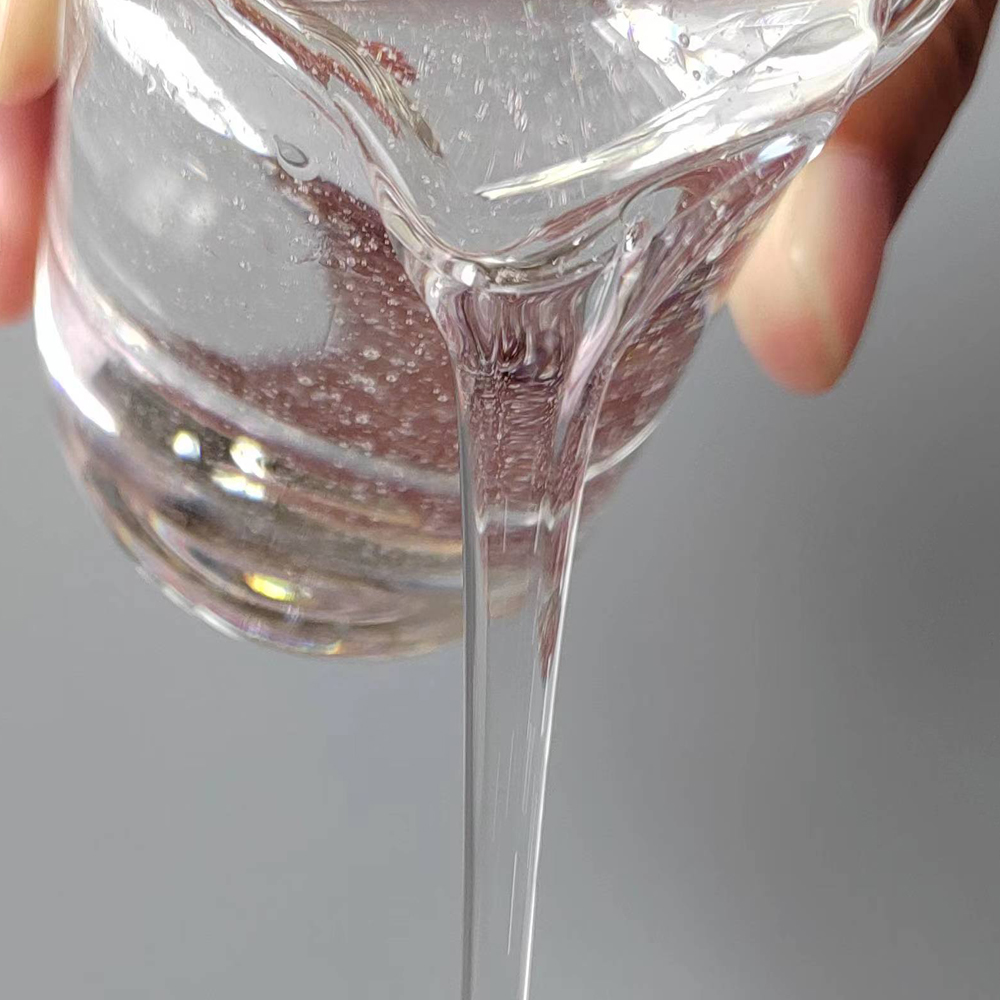
Why PDMS Viscosity Matters: Core Performance Trade-Offs Across IndustriesPolydimethylsiloxane (PDMS) viscosity is the primary parameter dictating its behavior in manufacturing processes. Low-viscosity fluids (10–100 cSt) spread rapidly and penetrate ...
VIEW MORE
Match PDMS Grade to Application RequirementsFluid, Elastomer, or Resin: Selecting the Right PDMS Form for Lubrication, Mold Release, or Electrical InsulationPolydimethylsiloxane (PDMS) is available in three primary forms—fluid, elastomer, and resin—e...
VIEW MORE
What Determines Bulk Silicone Oil Pricing from Chinese Manufacturers? Bulk silicone oil pricing is tightly bound to the cost of siloxane monomers, especially D4 and D5. Global supply disruptions or seasonal maintenance at precursor chemical plants ...
VIEW MORE
Why Silicone-Based Mold Release Agents Are Essential for Liquid Silicone Molding Liquid silicone rubber and other addition-cure silicones bond aggressively to silicone-rich surfaces during the vulcanization process. This behavior stems from reactiv...
VIEW MORE
How Silicone Mold Release Agent Forms a Low-Energy Barrier to Prevent Sticking Silicone-based release agents, primarily composed of polydimethylsiloxane, form a thin and uniform monolayer on mold surfaces through molecular adsorption. The siloxane ...
VIEW MORE
Molecular Stability and Purity: Why PDMS Forms the Ideal Base for Thermal Greases Polydimethylsiloxane features a siloxane backbone with a silicon-oxygen bond energy of 444 kilojoules per mole, which ranks among the strongest in polymer chemistry a...
VIEW MORE
How PDMS Viscosity Directly Impacts Fabric Hand Feel and Processing Performance The viscosity of polydimethylsiloxane silicone oil fundamentally governs textile hand feel and processing behavior. Low-viscosity grades ranging from 1 to 20 centistoke...
VIEW MORE
The $12,000 Shift – When a Release Agent Cost More Than the Mold An injection molding plant in Ohio was producing polycarbonate automotive lenses. Production ran smoothly for the first two shifts. Then parts started emerging with microscopic ...
VIEW MORE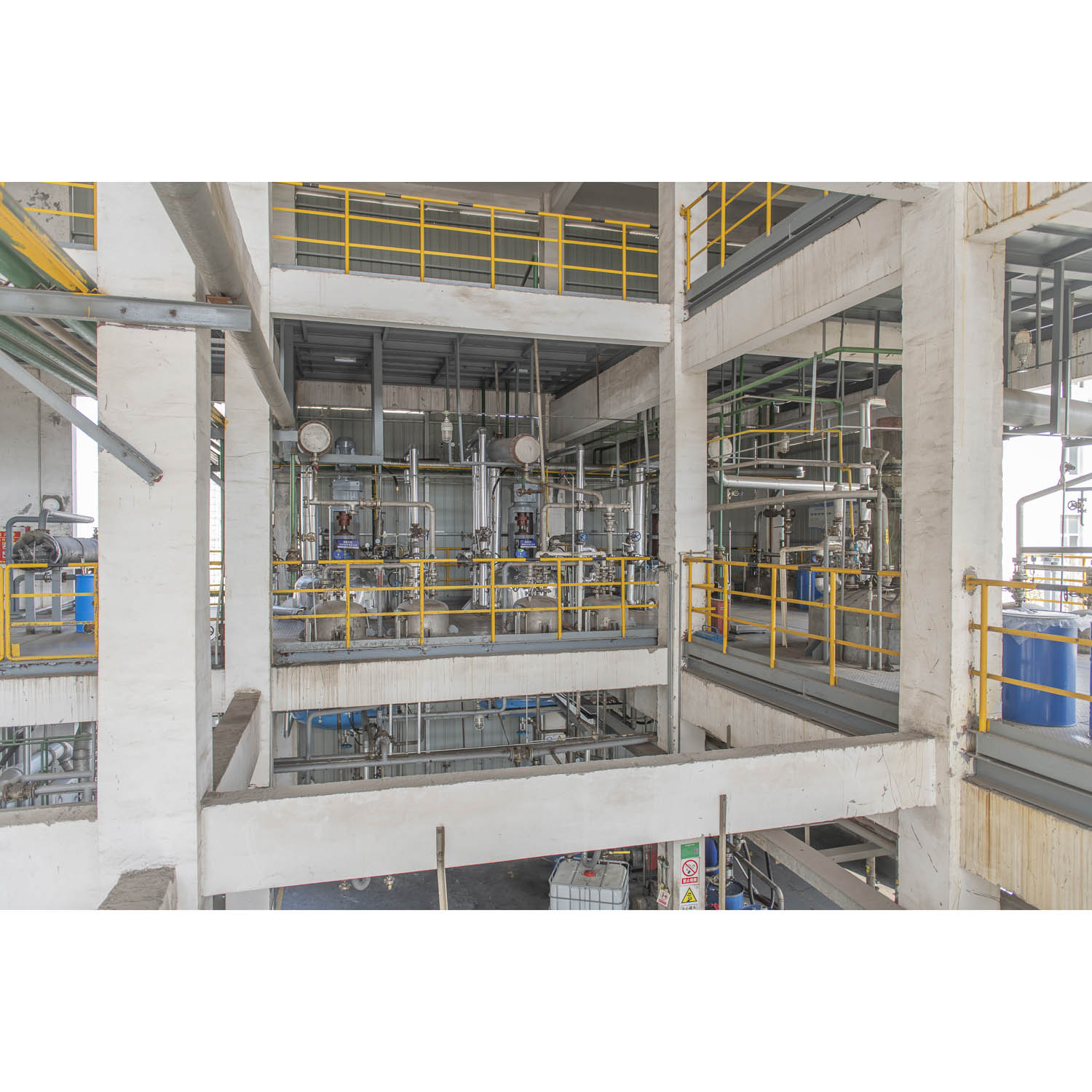
The Inverter That Kept Running – A Thermal Interface Success Story An electric vehicle power module manufacturer was experiencing field failures of IGBT inverters after 18‑24 months of service. The root cause: hydrocarbon‑based thermal grease...
VIEW MORE
Located in Yangtze River International Chemical Park of Zhangjiagang City,Jiangsu Cosil Advanced Material Co.,Ltd is a company that's staffed with skilled professionals and specialists,including technical,production,sales and management personnel,all of them have years of experience in the silicone industry.
 EN
 AR
 FR
 DE
 IT
 JA
 KO
 PT
 RU
 ES